
International
Brazilian voters wear loyalty on their sleeves
AFP
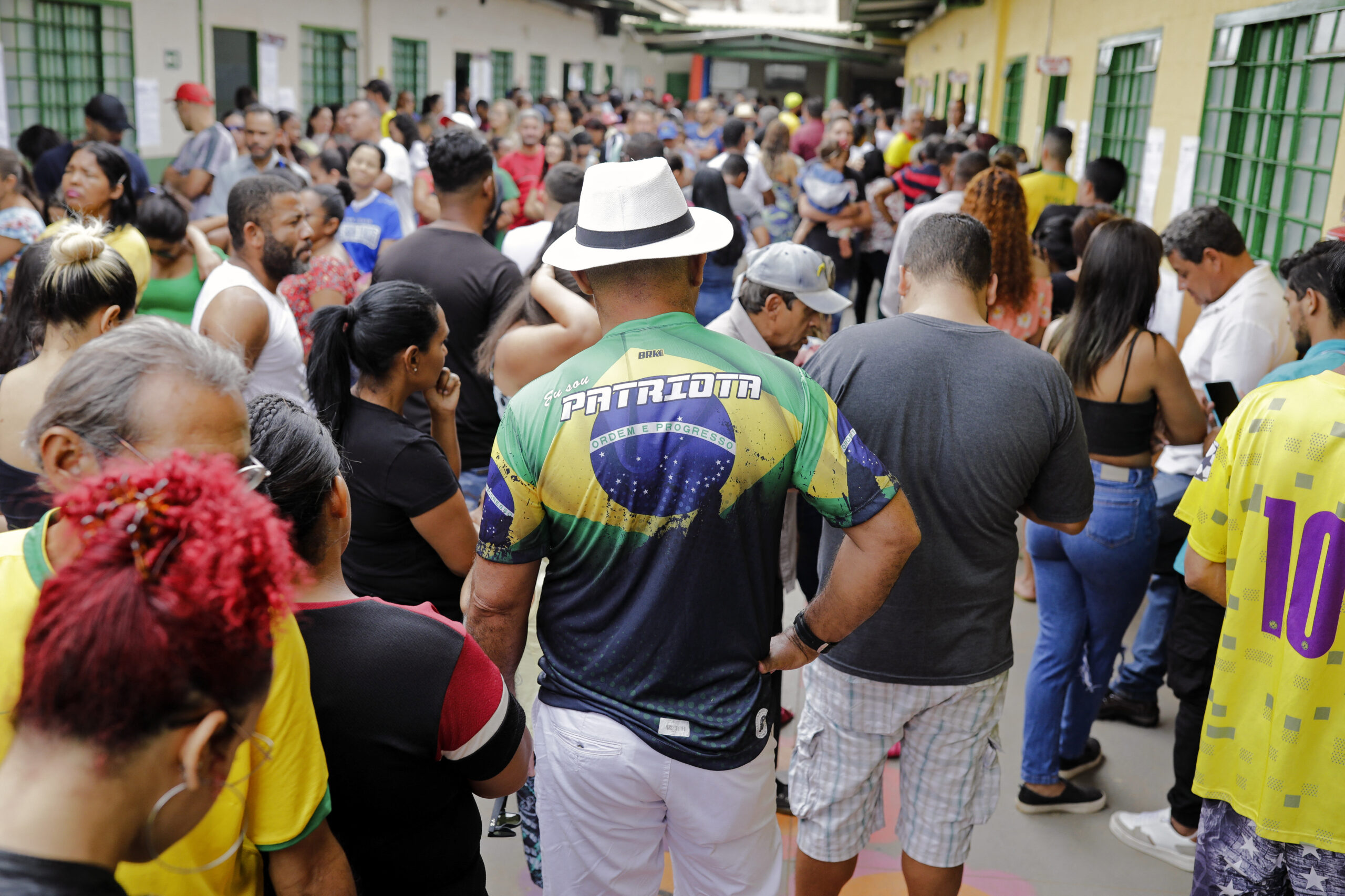
Brazilians wore their loyalty on their sleeves, literally, as they turned out in large numbers Sunday dressed to flaunt their political preference in a polarized presidential election.
Many were decked out from head to toe in the red of leftist front-runner Luiz Inacio Lula da Silva’s Workers’ Party, others in the yellow-and-green Brazilian colors far-right incumbent Jair Bolsonaro has claimed as his own.
It is a reflection of the tribalized nature of Brazilian politics, and made for colorful scenes at voting stations in Rio de Janeiro, Sao Paulo and Brasilia with bandanas, flags, shirts, stickers, even lipstick and colored sunglasses chosen to match a voter’s political leaning.
“There is no secret vote… it’s all in plain sight,” Debora Mattos, 45, told AFP after casting her vote near Rio’s famous Copacabana tourist beach.











She wore a T-shirt with an image of the Brazilian flag; a white top with the words “Bolsonaro president” and the incumbent’s face tied around her waist.
Brazilian law allows individual voters to wear clothing or paraphernalia advertising their political allegiance, as long as they do not distribute party political material or engage in campaigning.
As red- and yellow-clad voters mixed in thousands of voting queues around Latin America’s biggest democracy, there were no reports of disagreements half-way into the eight hours of voting.
Bolsonaro himself voted in Rio de Janeiro in a T-shirt of yellow and green.
Lula opted for a more statesmanly look: casting his ballot in Sao Paulo state in a dark suit and a blue button-up shirt.
Unlike Bolsonaro, who had urged his supporters to turn out in the national colors as he had, Lula told his fans to come any which way they liked. Just come.
In the capital, Brasilia, 32-year-old policeman Andre Ribeiro took the bold step of draping himself in a Worker’s Party flag in a Bolsonaro-majority area where he was a red speck in a sea of yellow and green.
He complained of followers of Bolsonaro “stealing” the national colors.
At a polling station in Rio, Marcio Lessa, 59, opted for white.
“I’m afraid of being attacked,” he told AFP, flashing an “L” with his right thumb and forefinger while silently mouthing “Lula.”
Some chose their outfit to make a different point: about unity.
One of them, 32-year-old Juliana Trevisan, 32, wore a green-and-yellow shirt… with Lula’s image, voting in Rio.
-
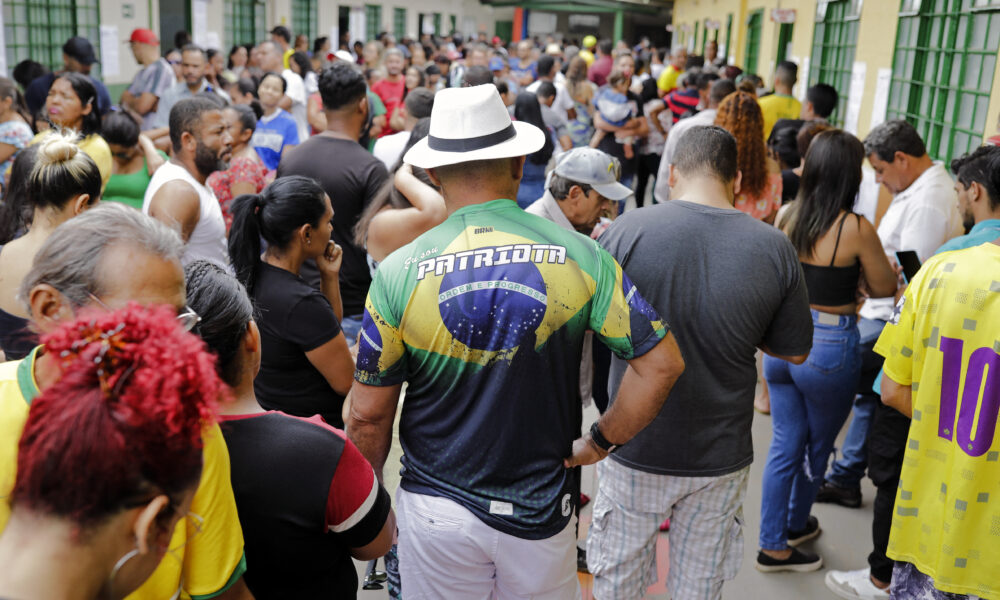
People queue to vote during the legislative and presidential election, in Brasilia, Brazil, on October 2, 2022. - Voting began early Sunday in South America's biggest economy, plagued by gaping inequalities and violence, where voters ar expected to choose between far-right incumbent Jair Bolsonaro and leftist front-runner Luiz Inacio Lula da Silva, any of which must garner 50 percent of valid votes, plus one, to win in the first round. (Photo by Sergio Lima / AFP)











International
Latin Music Stars Unite in Miami to Raise Aid for Victims of Venezuela’s Devastating Earthquake
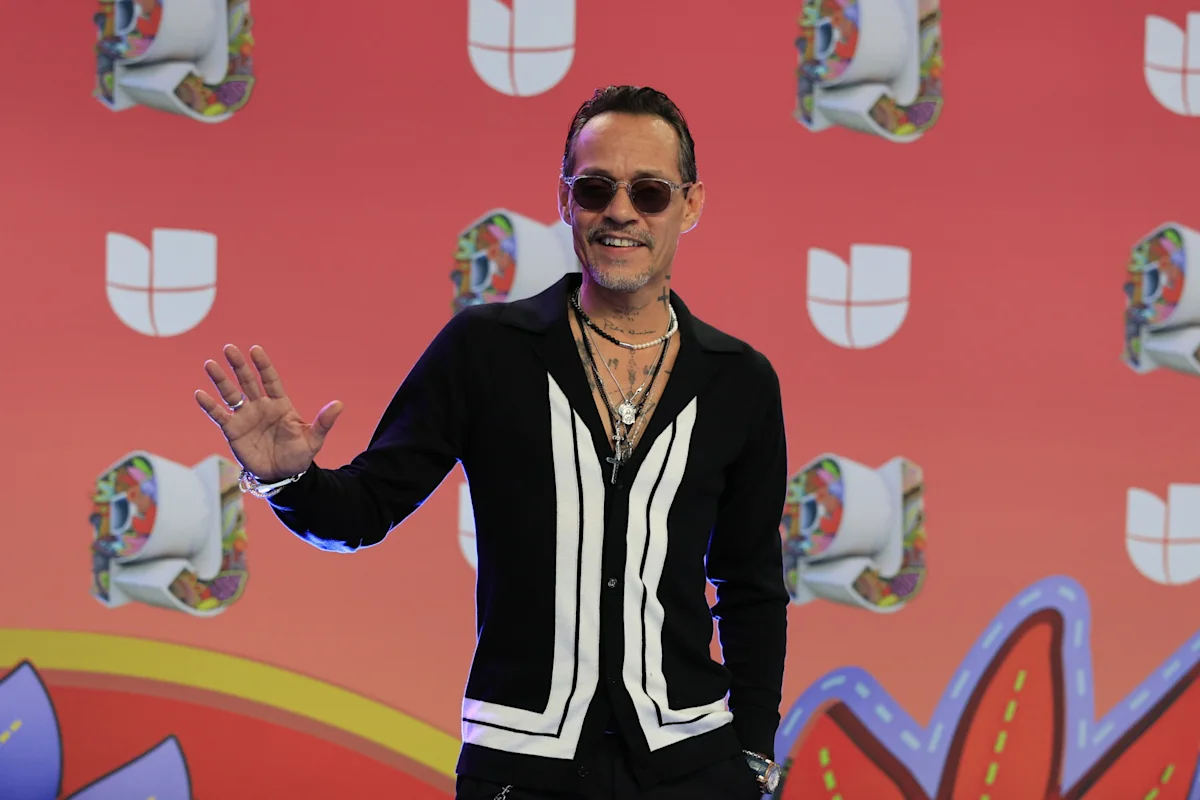
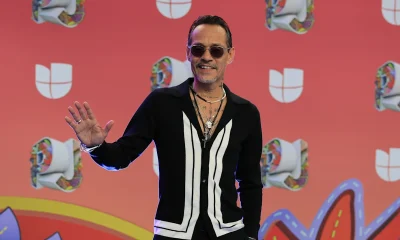
Latin music stars including Marc Anthony, Ricardo Montaner and Feid will take part in a benefit concert in Miami on August 16 to raise funds and support victims of the devastating double earthquake that struck Venezuela.
The disaster has left 4,734 people dead and 16,740 injured, according to the latest official figures.
The lineup will also feature artists such as Jay Wheeler, Elena Rose, Silvestre Dangond, Gente de Zona, Mau y Ricky, Olga Tañón, Lasso, San Luis, Piso 21, Alleh, Zhamira Zambrano and Enrique Santos, with organizers expecting additional performers to join the event in the coming weeks.
Athletes, actors, entertainment figures, media personalities and leaders from the Hispanic community are also expected to participate in the initiative.
Organized by the United for Venezuela coalition, the concert will take place at the Kaseya Center in Miami starting at 6:00 p.m. local time (10:00 p.m. GMT) and will be broadcast simultaneously through multiple platforms.
According to organizers, viewers will be able to contribute through donation platforms and QR codes available during the event.
The concert will also feature reports on rescue efforts, the work of humanitarian organizations on the ground, and testimonies from people affected by the disaster to highlight the scale of the tragedy.
Venezuela was hit on June 24 by a powerful double earthquake measuring 7.2 and 7.5 in magnitude, with the strongest impacts reported in areas including Caracas and La Guaira.
The event aims to bring together the international community and mobilize resources to assist families affected by the earthquake and support ongoing recovery efforts.
International
Trump Administration Seeks Global Action Against “Resurgent” Left-Wing Terrorism
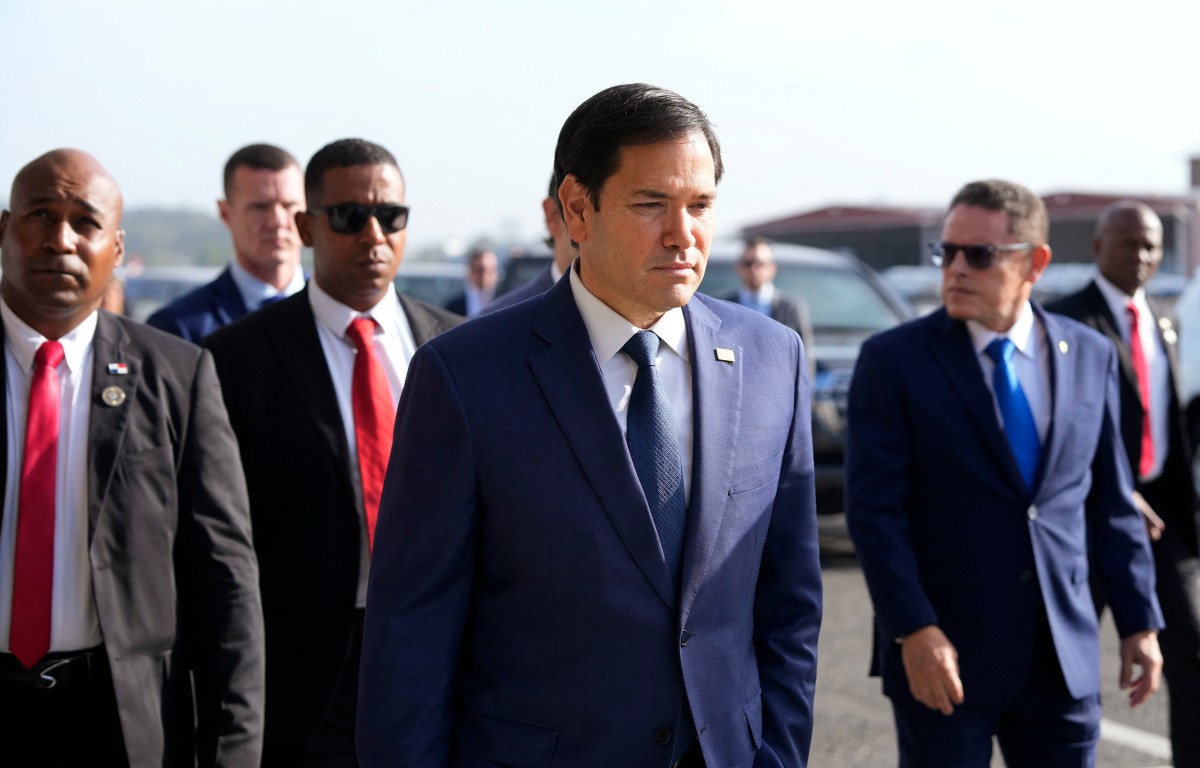
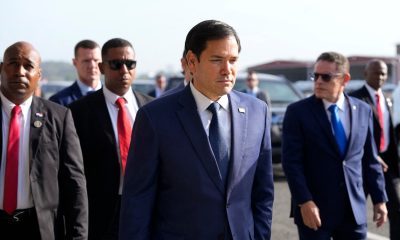
U.S. Secretary of State Marco Rubio will host a ministerial meeting in Washington on Thursday to discuss what the Donald Trump administration describes as a growing threat from left-wing terrorism around the world.
According to a statement from the State Department, the meeting aims to promote “stronger joint action” among international partners to address what Washington considers security gaps that terrorist groups continue to exploit.
The U.S. government has not yet disclosed which countries will participate in the meeting or which foreign ministers are expected to attend.
The Trump administration claims that “far-left terrorism is resurging”, pointing to violent attacks linked to extremist movements in the Americas, Europe, Asia, and other regions.
U.S. officials argue that the threat has been “underestimated” by the international community for years as part of broader counterterrorism strategies.
As part of its efforts, the Trump administration has designated several left-wing extremist groups as terrorist organizations, including Antifa Ost, the Informal Anarchist Federation/International Revolutionary Front (FAI/FRI), Armed Proletarian Justice, and Revolutionary Class Self-Defense.
The United States has also announced rewards of up to $10 million for information that helps disrupt the financial networks supporting those organizations.
The meeting comes as the Trump administration seeks greater international cooperation on counterterrorism policies and increased coordination among governments to address what it considers emerging extremist threats.
International
President Noboa Declares New Security Strategy as Ecuador Faces Record Violence Levels
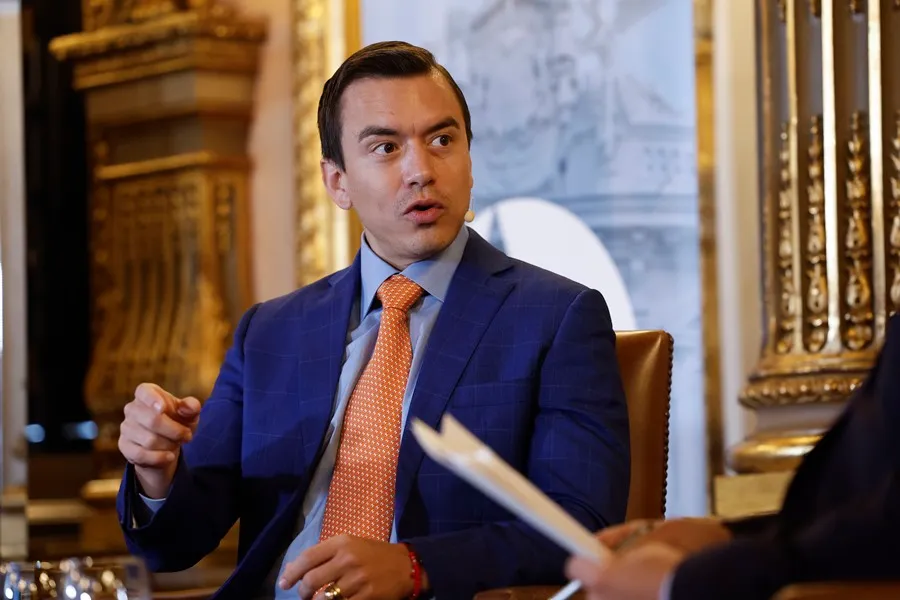
Ecuadorian President Daniel Noboa on Tuesday declared the National Comprehensive Security Plan 2025-2029 as a nationwide public policy, a strategy aimed at guiding state actions on security matters over the next four years.
The measure was formalized through an executive decree that activates the plan approved on March 9 by the Public and State Security Council (Cosepe) and replaces the National Comprehensive Security Plan 2019-2030, which had been designated as public policy in 2021.
Under the new decree, implementation of the strategy will be led by the ministries of Interior, Defense, and Foreign Affairs and Human Mobility, along with the National Intelligence Center and the National Secretariat for Risk Management. These institutions will be responsible for coordinating actions according to their respective areas of responsibility.
According to the official document, the new plan adopts a multidimensional and comprehensive security approach, with a long-term vision focused on national interests and on strengthening the State’s ability to respond to current threats.
The Ecuadorian government said the strategy seeks to improve coordination among public institutions within the framework of the “internal armed conflict” declared by Noboa in 2024 as part of the fight against criminal organizations operating across the country.
The plan also includes measures to strengthen international cooperation against transnational organized crime, which authorities identify as one of Ecuador’s main security challenges due to its links to drug trafficking and illegal mining.
The government described the document as a roadmap for prevention, protection, response and recovery actions in the face of national security risks, promoting coordinated efforts among state institutions.
Ecuador has remained under an internal armed conflict declaration since 2024, when Noboa intensified operations against criminal gangs that his administration has labeled terrorist organizations. Despite the increased security measures, the country recorded around 9,300 homicides in 2025, the highest figure in its history, according to data from the Ministry of Interior.
The new security plan comes as Ecuador seeks to strengthen its institutional response to escalating violence and the growing influence of organized crime networks.

Latin Music Stars Unite in Miami to Raise Aid for Victims of Venezuela’s Devastating Earthquake

Trump Administration Seeks Global Action Against “Resurgent” Left-Wing Terrorism

President Noboa Declares New Security Strategy as Ecuador Faces Record Violence Levels
Tec de Monterrey honors one of its students for his contribution to nanotechnology in medicine

Defense Minister commends salvadoran soldier for Central American Cross Country victory

Extension of the state of emergency approved in southern Chile
-
 International3 days ago
ICE reverses course and moves forward with New Jersey migrant detention facility project
-
 International3 days ago
Judge rules Trump’s IRS lawsuit was a “bad faith” attempt to manipulate the judicial process
-
 International3 days ago
Marco Rubio launches U.S. campaign to “dismantle” the International Criminal Court
-
 International2 days ago
France Holds Largest Bastille Day Military Parade as Europe Highlights Strategic Defense
-
 International2 days ago
President Noboa Declares New Security Strategy as Ecuador Faces Record Violence Levels
-
 International4 days ago
Venezuela Earthquake Death Toll Rises to 4,490 as Rescue Efforts Continue
-
 International2 days ago
Foreign Medical Teams Race to Prevent Health Crisis in Venezuela Earthquake Camps
-
 International20 hours ago
Latin Music Stars Unite in Miami to Raise Aid for Victims of Venezuela’s Devastating Earthquake
-
 International21 hours ago
Trump Administration Seeks Global Action Against “Resurgent” Left-Wing Terrorism