
International
Western US heat wave to wane, but more fire danger ahead: forecast
AFP | by Patrick FALLON
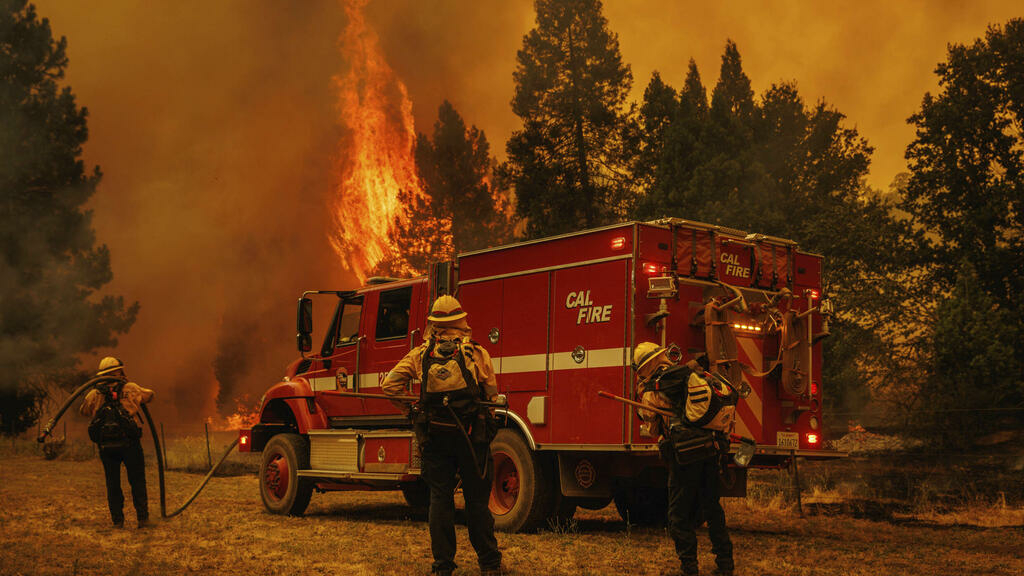
A ferocious heat wave scorching the western United States could finally begin to wane in the coming days, forecasters said Wednesday, but they warned of dangerous fire conditions as howling winds sweep through the bone-dry region.
California and neighboring states have endured a week of triple digit temperatures that have already brought deadly wildfires and the daily threat of power blackouts as the electricity grid struggles to cope with soaring demand.
But a predicted cooling as a cold front barrels in from Canada looks set to bring its own dangers, the National Weather Service said.
“This cold front will also aid in producing gusty winds throughout the northern Great Basin and northern High Plains today. Combined with low relative humidity, conditions are likely to support the potential for new wildfires to start and existing fires to spread uncontrollably,” the NWS warned.









The Storm Prediction Center “has issued an Extremely Critical fire weather area over north-central Montana, where winds could gust up to 60 miles (95 kilometers) per hour.”
A number of wildfires are already burning all over the western United States, including two deadly blazes that erupted over the long Labor Day weekend.
The Mill Fire in northern California killed two people, and destroyed over 100 buildings as it tore through 4,000 acres (1,600 hectares) of Siskiyou County.
To the southeast of Los Angeles, the Fairview Fire was continuing to grow, and remained out of control, fire officials said Wednesday.
Two people are known to have perished in the blaze, which exploded from a standing start during soaring temperatures on Monday, and has now consumed 5,000 acres.
More than 10,000 people have been told to evacuate, but the Riverside County Sheriff’s Department said not everyone had heeded the warnings — despite the deployment of dozens of deputies going door-to-door.
“You would think more people would take it seriously because it’s so fast-moving, and that’s why we try and do such a large evacuation area because the shift in winds, the weather is unpredictable, and fire moves fast,” department spokeswoman Brandi Swan told the Los Angeles Times.
Weather whiplash
More than two decades of drought has left the US West tinder dry and vulnerable to fast-moving fires that burn hotter and are more destructive.
Scientists say human-caused global warming is interfering with the natural weather cycle, amping up the hots and making the storms wetter and more unpredictable.
The kind of weather whiplash climatologists say is becoming more frequent could be on display later in the week, with forecasters predicting the heat wave in the southwest could give way to torrential rain.
While Wednesday and Thursday were expected to continue to be very hot, with the mercury topping 110 Fahrenheit (43 Celsius) in several places, a hurricane looming off the Pacific coast of Mexico looked set to bring up to six inches (15 centimeters) of rain to some parts of Arizona and California.
“This amount of rainfall is likely to produce scattered instances of flash flooding, particularly near recent burn scars,” the NWS said.
The soaring temperatures have put enormous pressure on California’s creaking power grid, with record demand for electricity to cool homes.
Rolling blackouts were narrowly avoided on Tuesday after the California Independent System Operator, which runs the grid, issued an emergency call for households to turn up their air conditioner thermostats and switch off unnecessary lights.
“Consumer conservation played a big part in protecting electric grid reliability,” the body tweeted. “Thank you, California!”
California has abundant solar installations, including on homes, which typically provide for around a third of the state’s power requirements during daylight.
But when the sun goes down, that supply falls quickly, leaving traditional generation to plug the gap. The problem is particularly acute in the early evening when temperatures are still high, but solar starts dropping out of the power mix.






International
UN warns Venezuela earthquakes could affect up to 6.76 million people
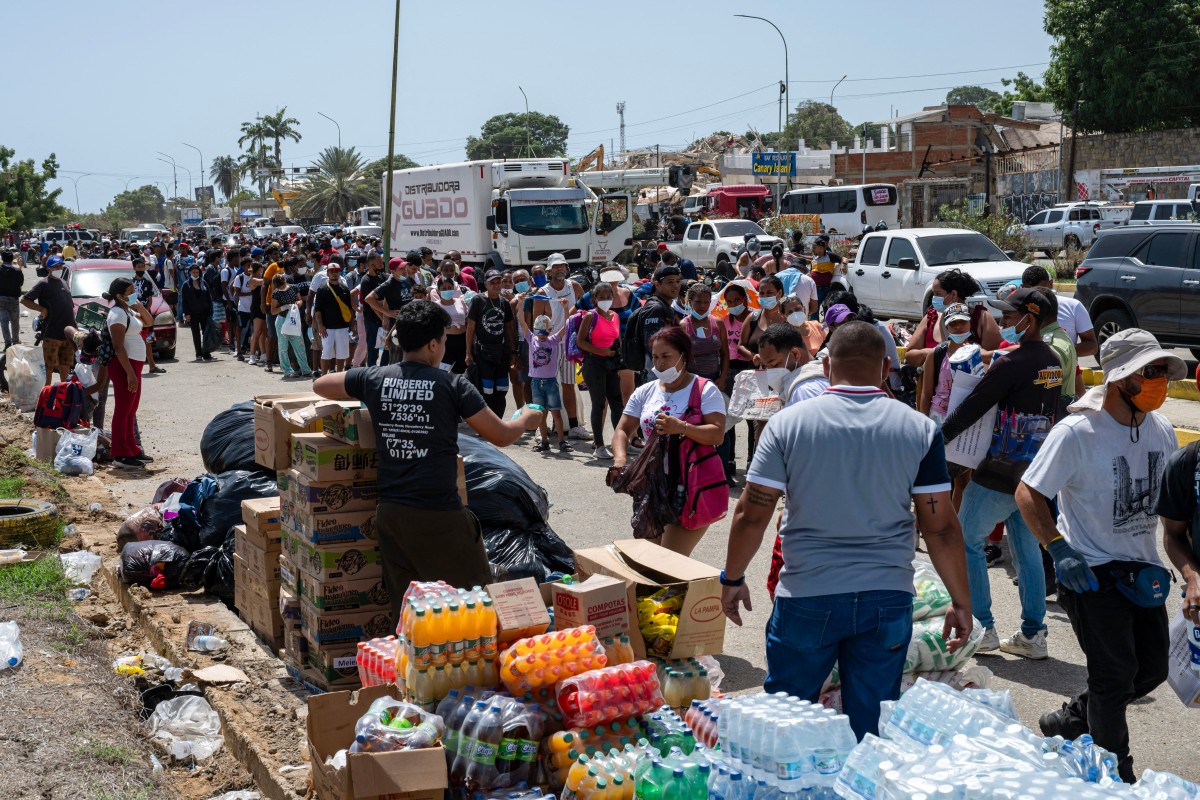
Up to 6.76 million people could be affected by the devastating earthquakes that struck Venezuela on June 24, according to an assessment released by the International Organization for Migration (IOM), a United Nations agency.
The organization said the projections are based on available population data and damage assessments, and include up to two million people living in Caracas, the country’s capital.
The estimates highlight the potentially massive humanitarian impact of the disaster, the IOM warned.
Entire buildings collapsed in La Guaira, a coastal area north of Caracas, following the powerful twin earthquakes that reached magnitudes of 7.2 and 7.5 on Wednesday.
The national death toll has risen to 920, while rescue teams continue searching for people trapped beneath the rubble in coastal regions and other affected areas.
UN humanitarian chief Tom Fletcher told AFP on Friday that more than 50,000 people were reported missing.
The IOM also revealed that it worked with Microsoft’s artificial intelligence laboratory on an initial satellite mapping analysis, which showed that 31.5% of buildings in the town of Catia La Mar had suffered damage.
Authorities and international rescue teams continue operations as Venezuela faces one of its largest humanitarian emergencies in recent years.
International
United Nations Coordinates Relief Efforts as Venezuela Death Toll Rises After Twin Quakes
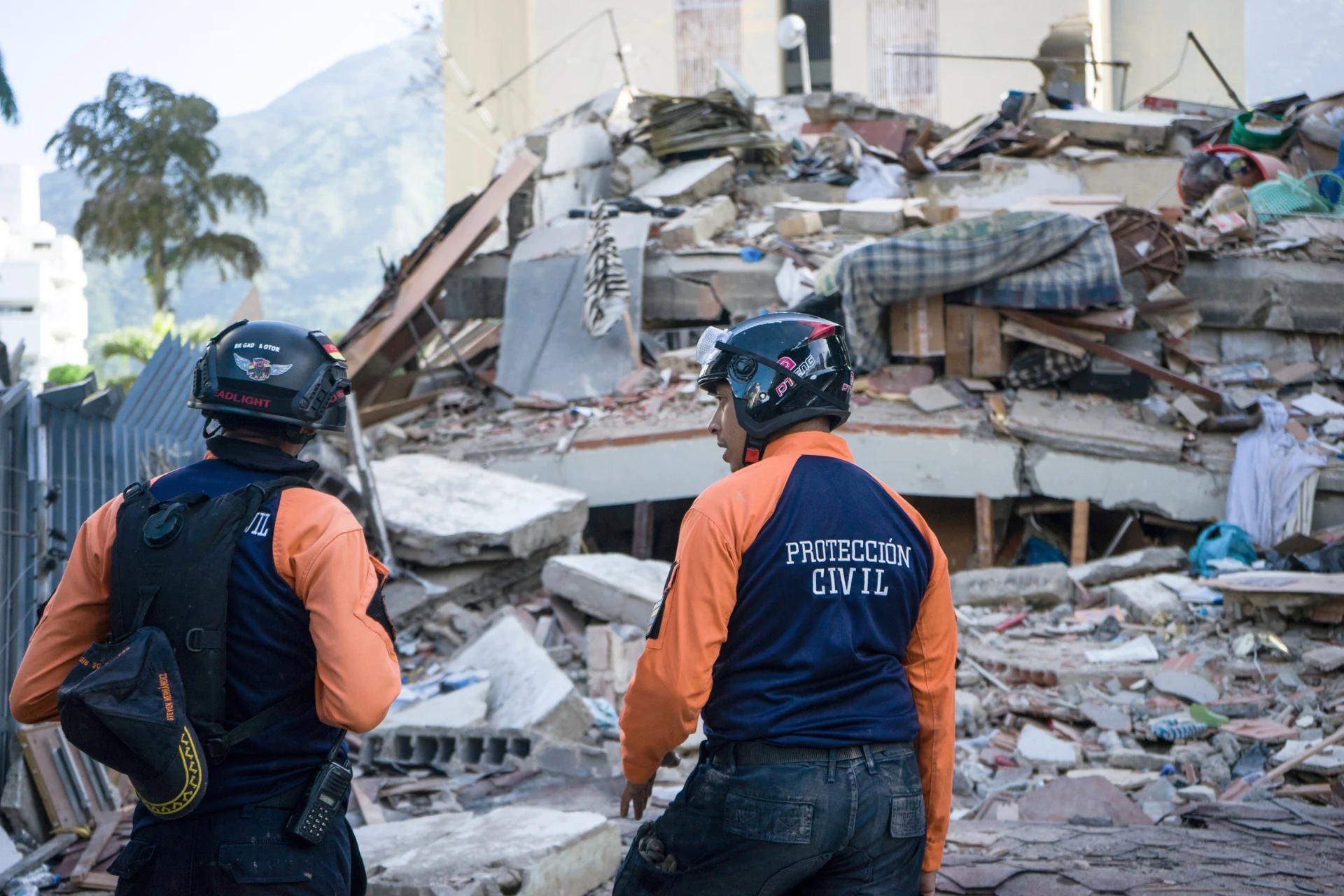
United Nations Secretary-General António Guterres on Thursday expressed his condolences to the people of Venezuela following the two devastating earthquakes that struck the country and highlighted the ongoing coordination between UN humanitarian teams and interim President Delcy Rodríguez.
Speaking during the UN’s daily press briefing, spokesperson Stéphane Dujarric said Guterres was deeply saddened by the loss of life and widespread destruction caused by the disaster.
“The Secretary-General is deeply distressed by the loss of life and the widespread devastation caused by the earthquakes that struck Venezuela yesterday. He extends his heartfelt condolences to the families of the victims and wishes a speedy recovery to those injured,” Dujarric stated.
Venezuela was struck on Wednesday by two powerful earthquakes measuring 7.2 and 7.5 in magnitude. According to official figures, the disaster has left at least 164 people dead and 971 others injured.
Dujarric noted that preliminary reports indicate significant damage across several states, including the capital, Caracas. Numerous casualties have been reported, while other individuals remain trapped beneath collapsed structures or are still missing.
“Critical infrastructure has been damaged and essential services have been disrupted,” the spokesperson said.
The United Nations confirmed that its humanitarian team remains in close contact with interim President Delcy Rodríguez and other relevant authorities as emergency operations continue.
To support relief efforts, the UN has established a coordination center in Caracas and is assisting local authorities to ensure that humanitarian aid reaches affected communities as quickly and efficiently as possible.
Guterres also welcomed the expressions of solidarity and offers of assistance from countries around the world that responded following news of the disaster, underscoring the importance of international cooperation in addressing the humanitarian emergency.
International
OAS Secretary General Pledges Regional Assistance Following Venezuela Quake Disaster
The Secretary General of the Organization of American States (OAS), Albert Ramdin, said on Thursday that the “hemispheric community” stands ready to provide “full support” to Venezuela and its people following the powerful earthquakes that struck the country overnight, leaving at least 164 people dead and nearly 1,000 injured.
Speaking at the conclusion of the OAS General Assembly, Ramdin expressed solidarity not only with Venezuela but also with Colombia, Curaçao and Aruba, where the tremors were also felt.
“Above all, our thoughts are with these peoples,” he said during his remarks.
Ramdin noted that while many details about the disaster are still emerging, countries across the hemisphere are prepared to assist Venezuela as it responds to the crisis.
“Much remains unknown at this stage, but the hemispheric community will be ready to support the people of Venezuela during this very difficult time,” he stated, reiterating the organization’s commitment to helping those affected.
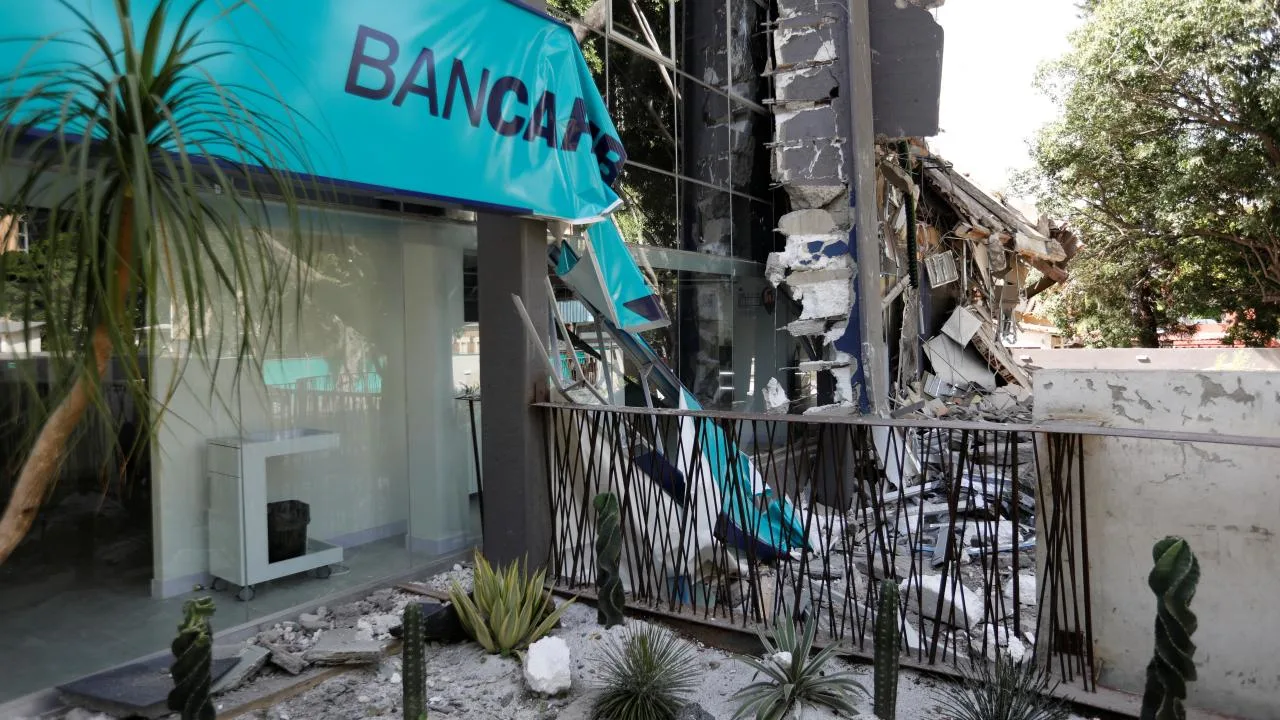
According to updated information released by the Venezuelan government, the powerful earthquakes have been followed by at least 30 aftershocks. Authorities have also reported extensive structural damage, including numerous building collapses in La Guaira, the area considered hardest hit by the disaster.
Rescue efforts are currently focused on La Guaira, where emergency teams continue searching for survivors trapped beneath the rubble as officials assess the full extent of the damage.

UN warns Venezuela earthquakes could affect up to 6.76 million people

United Nations Coordinates Relief Efforts as Venezuela Death Toll Rises After Twin Quakes

OAS Secretary General Pledges Regional Assistance Following Venezuela Quake Disaster
Tec de Monterrey honors one of its students for his contribution to nanotechnology in medicine

Defense Minister commends salvadoran soldier for Central American Cross Country victory

Extension of the state of emergency approved in southern Chile
-
 Central America4 days ago
El Salvador and Chile Mark 150 Years of Relations With Expanded Bilateral Cooperation
-
 International3 days ago
OAS Secretary General Pledges Regional Assistance Following Venezuela Quake Disaster
-
 International3 days ago
United Nations Coordinates Relief Efforts as Venezuela Death Toll Rises After Twin Quakes
-
 International4 days ago
WHO Expects Deadly Hantavirus Outbreak on Cruise Ship to End by July 2
-

 International4 days ago
Bill Gates Says Jeffrey Epstein Made “Veiled” Threats Over Extramarital Affairs
-
 International1 day ago
UN warns Venezuela earthquakes could affect up to 6.76 million people