
International
Biden’s Covid advisor Anthony Fauci to step down in December
AFP
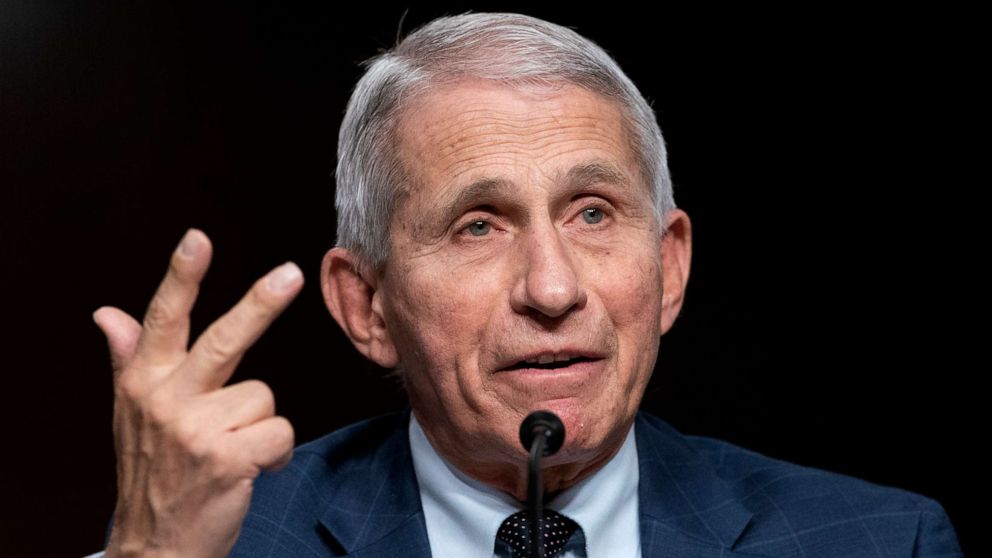
President Joe Biden’s Covid advisor Anthony Fauci, America’s top infectious disease expert who became the face of the country’s fight against the pandemic, announced Monday that he will step down in December.
Fauci said in a statement he would be leaving both his position as director of the National Institute of Allergy and Infectious Diseases (NIAID), and that of chief medical advisor to Biden — though he added: “I am not retiring.”
The 81-year-old, who previously disclosed plans to leave by the end of Biden’s current term, announced he would go in December to “pursue the next chapter of my career.”
Biden extended his “deepest thanks” to Fauci in a White House statement.












“Because of Dr. Fauci’s many contributions to public health, lives here in the United States and around the world have been saved,” the president said, adding that the country is “is stronger, more resilient, and healthier because of him.”
Fauci has helmed the United States’ response to infectious disease outbreaks since the 1980s, from HIV/AIDS to Covid-19, and has served under seven presidents.
When Covid first spread globally from China in 2020, he became a trusted source of reliable information, reassuring the public with his calm and professorial demeanor during frequent media appearances.
But his honest takes on America’s early failures to get to grips with the virus brought Fauci into conflict with former president Donald Trump, and turned the physician-scientist into a hated figure for some on the right.
Fauci now lives with security protection after his family received death threats and harassment.
Biden said that after winning the 2020 election, as he was trying to build a team to lead the Covid-19 response, Fauci was “one of my first calls.”
“In that role, I’ve been able to call him at any hour of the day for his advice as we’ve tackled this once-in-a-generation pandemic,” the president stated.











International
Afghan man sentenced to life in prison for deadly Munich vehicle attack
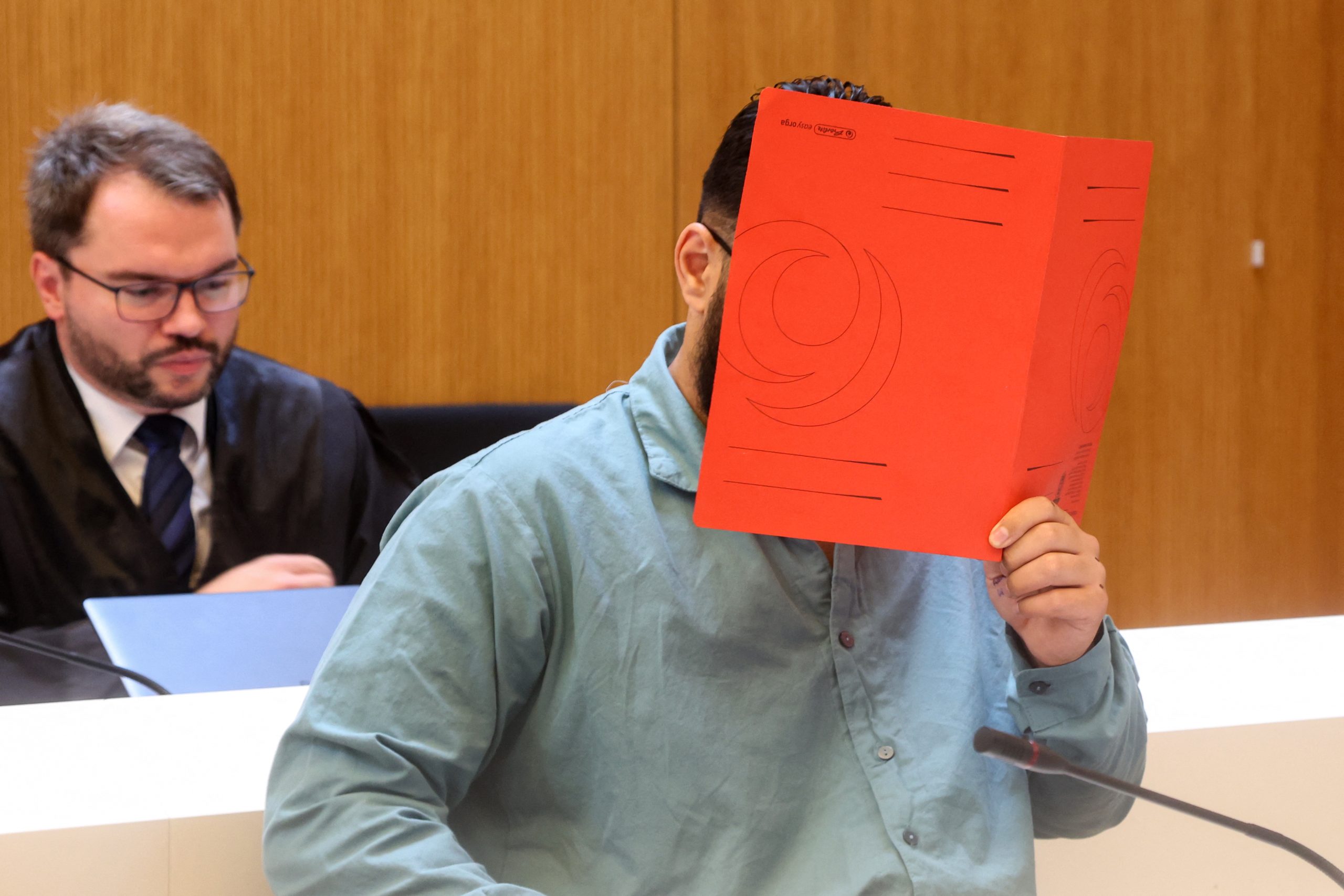
A German court on Thursday sentenced an Afghan man to life imprisonment for a 2025 attack in which he drove a vehicle into a trade union demonstration in Munich, killing two people and injuring around 40 others.
The Munich Higher Regional Court ruled that the 25-year-old man, identified only as Fahrad N. under German privacy laws, committed a particularly serious crime.
Presiding judge Michael Höhne said the court was convinced that the defendant deliberately drove his vehicle into the protesters from behind. He described the scene of the attack as a “real field of destruction.”
The verdict followed the request of federal prosecutors, while the defense had sought a 15-year prison sentence and admission to a psychiatric hospital.
Fahrad N. was convicted of two counts of murder and 23 counts of attempted murder, one more charge than prosecutors had requested. He was also found guilty of 19 counts of serious bodily harm and three counts of intentional injury.
The attack occurred on February 13, 2025, as Munich prepared to welcome international leaders attending the Munich Security Conference, while Germany was entering the final stage of its parliamentary election campaign.
That morning, around 1,400 people were marching through the city center in a demonstration organized by the services union Verdi. According to investigators, the Afghan national drove a BMW Mini past police officers escorting the march before intentionally crashing into the crowd.
The vehicle traveled approximately 23 meters before coming to a stop.
Fahrad N., who was interested in bodybuilding, arrived in Germany at the age of 15 as an unaccompanied minor and had his residence permit renewed. Authorities had previously considered him “well integrated” into local society.
Investigators said he later became radicalized under the influence of Afghan clerics he followed on social media in the months before the attack.
According to prosecutors, the defendant believed Western countries were responsible for the suffering of Muslim populations in Afghanistan and the Middle East, and concluded that he should “kill randomly selected people in Germany.”
International
Mexican TikTok Influencer Shot Dead While Livestreaming in Sinaloa
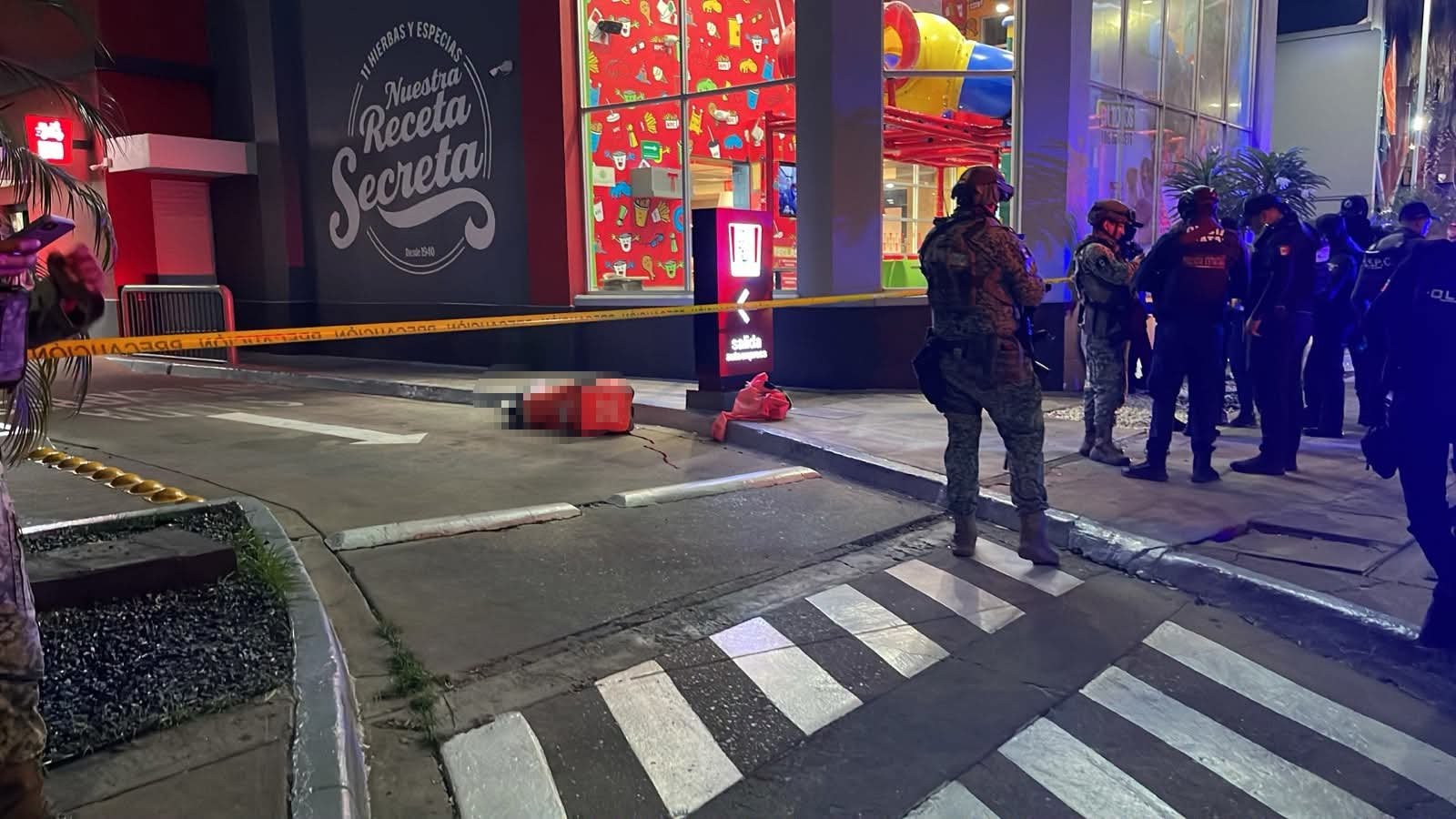
A Mexican influencer was shot dead Tuesday night while livestreaming on social media outside a restaurant in the violence-plagued state of Sinaloa, in northwestern Mexico.
César Gastelum, who had more than 500,000 followers on TikTok, was broadcasting live with two friends while taking part in a challenge in which they dressed as food delivery workers. During the livestream, a motorcycle carrying two individuals stopped beside them, and the driver shot Gastelum in the head.
The broadcast was interrupted immediately after the attack and was later removed by the platform. However, several news outlets preserved parts of the footage and shared images of the incident.
Initial reports from local police indicated that a delivery worker had been killed. However, after reviewing the recording and gathering witness statements, authorities identified the victim as Gastelum, who was approximately 25 years old, according to local media reports. The influencer was known for sharing lifestyle-related content.
The attack took place in a busy shopping area near the Sinaloa Attorney General’s Office in Culiacán, the state capital. Military and police forces were deployed to the scene, while forensic experts collected evidence and removed the victim’s body, according to local television reports.
Sinaloa has been experiencing a wave of violence for the past two years due to internal disputes within the powerful local drug cartel.
Local media have reported that around a dozen influencers, some allegedly linked to criminal groups, have been killed in recent years in the state.
International
Iran Rejects Negotiations With U.S. as Strait of Hormuz Remains Blocked Amid New Attack

Tensions remained high in the Strait of Hormuz on Monday after a vessel was hit by a projectile, despite U.S. President Donald Trump’s claims that negotiations with Iran were moving forward and that the strategic maritime route could reopen as early as Tuesday.
Tehran denied that direct talks were taking place, but Trump insisted that discussions were underway and described the situation as a final opportunity for Iran to reach an agreement.
“This is the last chance they have to sign a good document,” Trump told reporters at the White House, adding that the reopening of the Strait of Hormuz could happen “literally tomorrow” Tuesday.
The comments came after another escalation in rhetoric from Washington. Last week, Trump threatened Iran with military strikes before unexpectedly changing course on Sunday and announcing that negotiations with Tehran would resume.
Iranian Foreign Ministry spokesman Esmail Baqai rejected the U.S. president’s version of events, stating that Tehran was not holding negotiations with Washington.
“At this moment, we are not negotiating with the United States. We are negotiating with Oman to guarantee safe passage through the Strait of Hormuz,” Baqai said.
Earlier, the Iranian official said that Tehran was close to reaching an agreement with Oman, which lies across the Strait of Hormuz, to reopen the crucial waterway that plays a key role in global energy trade.
The maritime route has remained blocked by Iran since the outbreak of hostilities following U.S. and Israeli strikes against the Islamic Republic on February 28.
Meanwhile, Yemen’s Houthi rebels announced Tuesday that they had launched an attack against an airport in Saudi Arabia. The Iran-backed group had previously disrupted the passage of Saudi vessels through the Red Sea, an alternative route used for crude exports by the world’s largest oil producer.
The continued instability in the region has raised concerns over global energy supplies, as the Strait of Hormuz remains one of the most important chokepoints for international oil shipments.

Afghan man sentenced to life in prison for deadly Munich vehicle attack

Guatemala Declares Highest Alert in Areas Affected by Fuego Volcano Eruption

Mexican TikTok Influencer Shot Dead While Livestreaming in Sinaloa
Tec de Monterrey honors one of its students for his contribution to nanotechnology in medicine

Defense Minister commends salvadoran soldier for Central American Cross Country victory

Extension of the state of emergency approved in southern Chile
-

 International3 days ago
Iran Rejects Negotiations With U.S. as Strait of Hormuz Remains Blocked Amid New Attack
-
 International5 days ago
Truck bomb attack near police station in Colombia leaves 14 injured ahead of presidential inauguration
-

 International3 days ago
Lula Launches Re-Election Campaign Amid Rising Tensions With Trump
-
 International2 days ago
Mexican TikTok Influencer Shot Dead While Livestreaming in Sinaloa
-
 Central America2 days ago
Guatemala Declares Highest Alert in Areas Affected by Fuego Volcano Eruption
-
 Central America3 days ago
U.S. Defense Secretary to Close Multinational Military Exercises in Panama to Protect Canal
-
 International18 hours ago
Afghan man sentenced to life in prison for deadly Munich vehicle attack