
International
UN watchdog ‘concerned’ about Ukraine nuclear plant access
AFP
UN nuclear watchdog head Rafael Grossi expressed “concern” Thursday about not having been able to access Europe’s largest nuclear plant in Ukraine since Russia seized it almost two months ago.
Russian forces captured the Zaporizhzhia nuclear power plant in southern Ukraine on March 4, sparking alarm when shelling caused a fire at a training facility.
They also seized the now-defunct Chernobyl plant right at the beginning of their invasion of Ukraine on February 24, though they have since retreated from there.
International Atomic Energy Agency (IAEA) head Grossi, who has just returned from a trip to Chernobyl, has been in talks with both Ukrainian and Russian authorities to try to ensure safety.











“Zaporizhzhia is at the top of my list of concerns when it comes to the situation of the nuclear facilities in Ukraine,” Grossi told reporters.
“There is a lot to be done there… we need to go back to Zaporizhzhia. It’s extremely important,” he said.
He said his agency was still checking on reports that missiles had flown low over Zaporizhzhia, adding this would be “extremely serious” if confirmed.
Grossi said at Chernobyl the IAEA had recorded “an increase in the levels” of radiation during their visit after Russian forces moved with heavy vehicles and dug trenches around the plant.
“But the situation is not one that could be judged as posing a great danger to the environment and to people at the moment we were taking these measures,” he added.
Ukraine has 15 reactors in four operating plants, as well as waste repositories such as Chernobyl — the site of the world’s worst nuclear accident in 1986.










International
Venezuela Earthquake Death Toll Rises to 4,490 as Rescue Efforts Continue
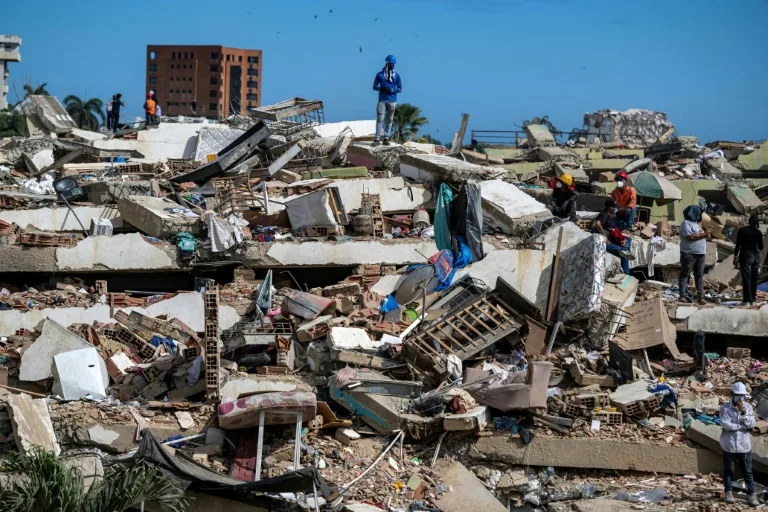
The death toll from the powerful earthquakes that struck Venezuela on June 24 has risen to 4,490, according to the latest official figures released by the government on social media.
Authorities reported that 16,740 people have been injured, while more than 19,500 residents remain in temporary shelters after the twin earthquakes devastated Caracas and the neighboring state of La Guaira.
Rescue teams from Venezuela and several foreign countries continue searching through collapsed buildings in an effort to recover victims who remain trapped beneath the rubble.
Government officials said the earthquakes damaged more than 850 buildings, with 190 structures completely collapsing.
Thousands of families who lost their homes are currently staying with relatives or friends, while more than 19,500 displaced people are living in overcrowded emergency camps set up in parks, stadiums, and public squares across La Guaira and Caracas.
International
Tensions Escalate in Middle East as U.S. Bombs Iran After Maritime Attacks
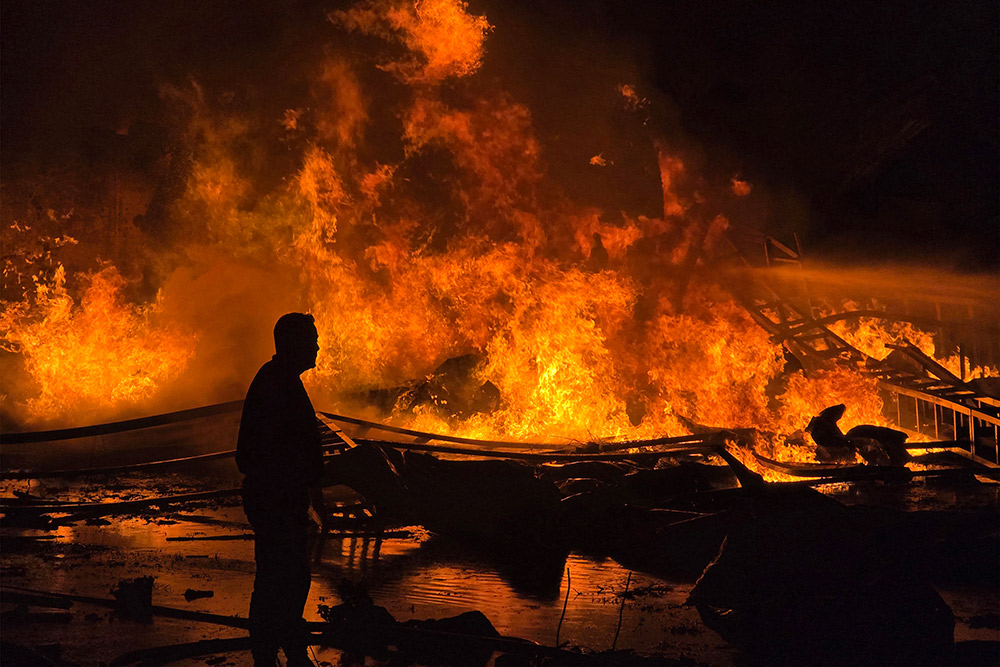
The United States launched new strikes against Iran on Wednesday, following President Donald Trump’s warning that Washington would “hit hard” against the Islamic Republic. While Trump ordered the retaliation after attacks on vessels in the Strait of Hormuz, he also said he hoped the latest wave of bombings would end soon and left the door open for renewed negotiations.
U.S. forces “have begun carrying out additional strikes against Iran to further reduce its ability to threaten freedom of navigation in the Strait of Hormuz,” the United States Central Command said in a post on X.
Washington blamed Iran for what it described as “recent unjustified aggression against commercial shipping.”
Iran’s state news agency IRNA reported that explosions were heard in the port cities of Bandar Abbas, Konarak, and Chabahar.
“This is in retaliation for yesterday’s bombing of ships by Iran. If it happens again, it will be much worse,” Trump wrote on social media alongside an image showing what appeared to be a bombing at an Iranian location.
Before ordering the strikes, the U.S. president said that the ceasefire with Iran had ended. Mediators Pakistan and Qatar called for de-escalation, while the United Nations also urged both sides to reduce tensions.
The Strait of Hormuz remains a critical flashpoint in the Middle East conflict, which began in late February after U.S. and Israeli strikes that killed Iran’s Supreme Leader Ali Khamenei.
Iran-linked attacks on at least three vessels in recent days triggered a U.S. offensive against Iranian targets on Tuesday. Tehran responded by launching attacks against Gulf countries that are allies of Washington.
International
Deadly Drug Trade Rivalry Suspected After Eight Bodies Discovered in Southern Mexico
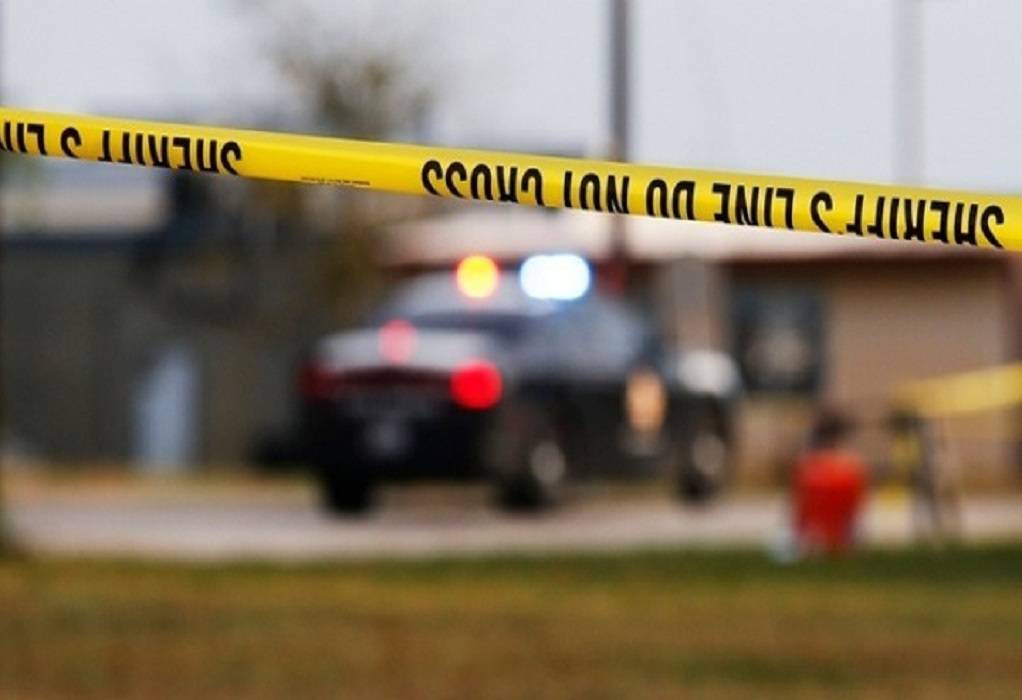
Eight bodies were found Wednesday along a highway in the southern Mexican state of Chiapas, near the border with Guatemala, in an incident authorities believe may be linked to a dispute over local drug sales.
The victims — six men and two women — were found abandoned on a road in a mountainous area of the municipality of El Bosque, according to the state prosecutor’s office in a statement published on Facebook.
Initial investigations indicate that the killings may be connected to “a dispute over retail drug sales between local criminal groups operating in the region,” the prosecutor’s office said.
Local media reports that several criminal incidents have increased in the area since the beginning of the year.
The road where the bodies were discovered is located in a mountainous region largely inhabited by Indigenous communities. Authorities have not released further details about the victims or possible suspects as the investigation continues.

Venezuela Earthquake Death Toll Rises to 4,490 as Rescue Efforts Continue

Panama launches anti-drone measures as prison security crisis deepens

Tensions Escalate in Middle East as U.S. Bombs Iran After Maritime Attacks
Tec de Monterrey honors one of its students for his contribution to nanotechnology in medicine

Defense Minister commends salvadoran soldier for Central American Cross Country victory

Extension of the state of emergency approved in southern Chile
-
 International5 days ago
Wildfires Burn Nearly 7,800 Hectares in France as Extreme Heat Fuels Fire Risk
-
 Central America3 days ago
Panama launches anti-drone measures as prison security crisis deepens
-
 International5 days ago
UN Appeals for $296 Million in Emergency Aid Following Venezuela Earthquakes
-
 International4 days ago
Deadly Drug Trade Rivalry Suspected After Eight Bodies Discovered in Southern Mexico
-
 International5 days ago
USAR El Salvador Helps Rescue Dogs Trapped for 12 Days Beneath Earthquake Rubble
-
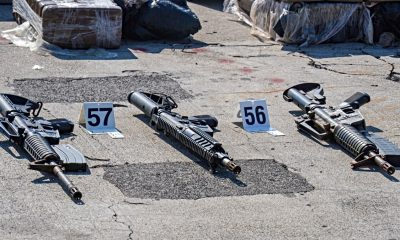
 Central America4 days ago
Regional Naval Operations Strike Drug Cartels, Disrupting Cocaine and Weapons Trafficking Routes
-
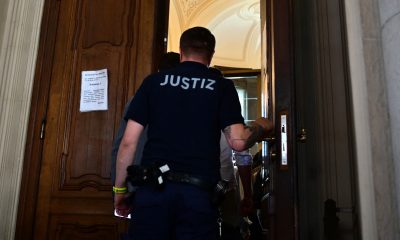
 International5 days ago
German Doctor Sentenced to Life for Murdering 15 Patients in Serial Killing Case
-
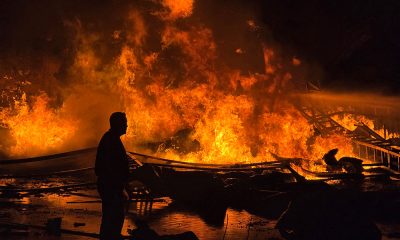 International4 days ago
Tensions Escalate in Middle East as U.S. Bombs Iran After Maritime Attacks
-
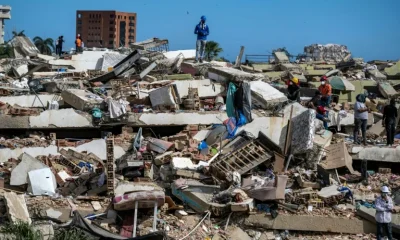 International12 hours ago
Venezuela Earthquake Death Toll Rises to 4,490 as Rescue Efforts Continue