
International
Colombia car bomb kills one, injures 20
AFP
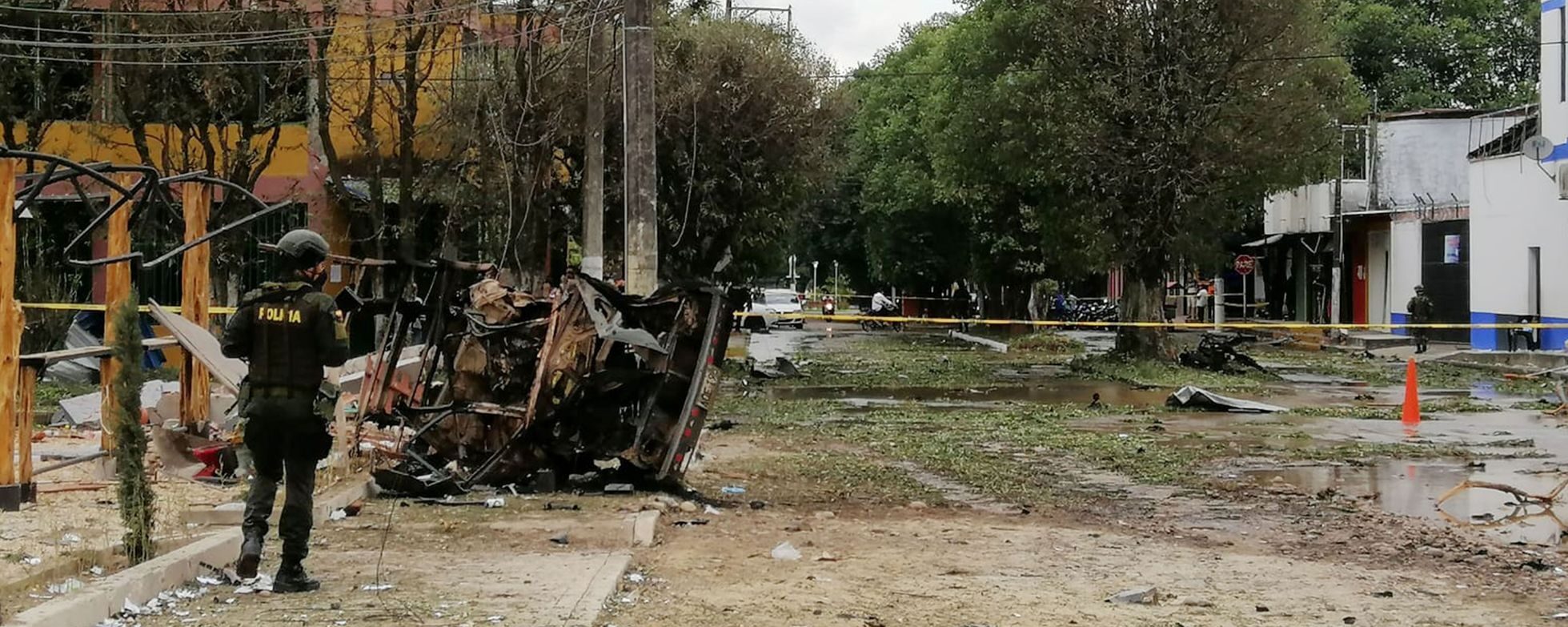
A car bomb detonated in Colombia overnight outside government offices and the seat of a human rights body, killing one person and wounded 20 near the Venezuelan border, authorities said Thursday.
The army in a statement blamed the late-night attack in Saravena, an area with a strong military presence, on dissidents of the FARC guerilla group who rejected a 2016 peace deal.
Defense Minister Diego Molano said the attack was “planned and financed from Venezuela.”
“The explosives used in this terrorist act were brought into Colombia from Venezuela,” said Molano.











The explosion killed a security guard and injured 20 other people. No further information was provided about them.
The blast also damaged private buildings, the army statement said.
Jose Luis Lazo, an official in charge of human rights in Saravana, told W Radio that a dissident going by the name Antonio Medina had ordered the attack in a WhatsApp message.
Colombia President Ivan Duque has often accused neighboring Venezuela of shielding rebels on its territory.
The two countries have not had diplomatic relations since shortly after Duque took office in 2018.
The region in which the attack took place is one of the hardest-hit by a wave of violence plaguing Colombia in the aftermath of a 2016 peace pact that disarmed the FARC and officially ended decades of conflict.
Despite the agreement, fighting continues over territory and resources between dissident FARC guerrillas, the ELN rebel group, paramilitary forces and drug cartels.
Earlier this month, almost 30 people were killed in fighting in the northeastern Arauca department, where Saravena is located, and hundreds fled the region, according to official data.
The government has since deployed an additional 1,300 soldiers to join 5,600 already operational in the area.
An independent study center, Indepaz, says the ELN has around 2,500 fighters while the FARC dissidents are comprised of around 5,200 members.










International
Nicolás Maduro’s Son Calls U.S. Trial Against His Father and Cilia Flores “Unjust”
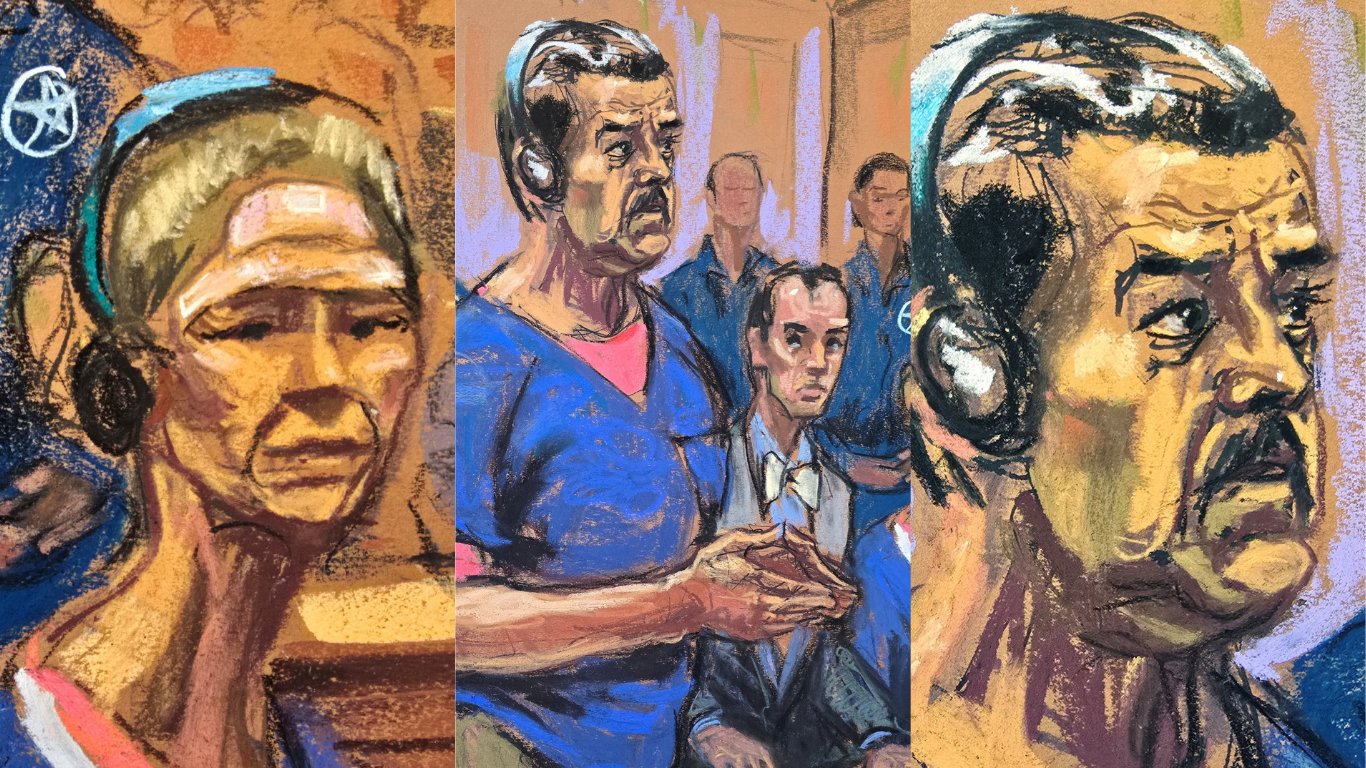
Venezuelan lawmaker Nicolás Maduro Guerra on Wednesday described as “unjust” the legal proceedings in the United States against his father, ousted Venezuelan President Nicolás Maduro, and his wife, Cilia Flores, following their capture in Caracas on January 3 by U.S. forces.
“Faced with the unjust trial taking place today, the people raised their voices with a single demand: We demand the immediate release of President Nicolás Maduro and the First Lady,” Maduro Guerra wrote on his Instagram account.
The lawmaker attended a rally in Caracas where supporters of the ruling United Socialist Party of Venezuela (PSUV)gathered to show support for the former president, who faces charges in the United States including conspiracy to commit narco-terrorism and cocaine importation. Flores is accused of crimes related to drug trafficking and weapons possession.
The event was also attended by PSUV Vice President for Mobilizations and Events Nahum Fernández and Caracas Mayor Carmen Meléndez, according to photos shared by Maduro’s son.
The third hearing in the case against Maduro and Flores concluded Wednesday at a federal court in New York after lasting only about 18 minutes. During the hearing, the judge preliminarily set June 2027 as the expected start date for the trial.
One of the main arguments from the defense will focus on immunity. Maduro’s lead attorney, Barry Pollack, who has also represented WikiLeaks founder Julian Assange, said the defense plans to request immunity for both defendants, arguing that Maduro was serving as head of state and Flores as first lady at the time of their detention.
Both Maduro and Flores pleaded not guilty during their first court appearance in New York on January 5.
Meanwhile, Venezuela’s interim president Delcy Rodríguez, who assumed power after Maduro’s capture, has not yet commented on Wednesday’s hearing in the United States.
International
Mexico Files 20 Complaints in U.S. Over Deaths of 17 Citizens During ICE Operations
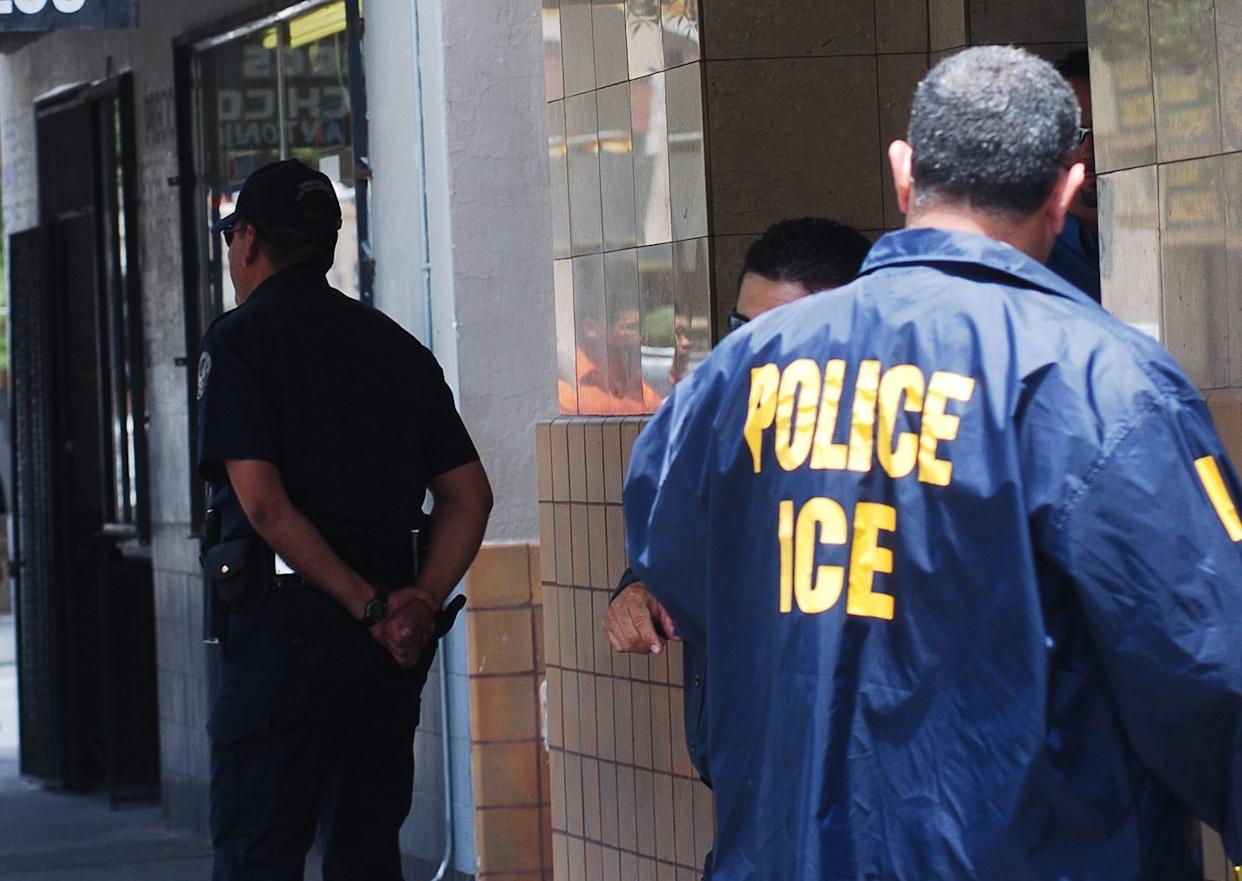
The Mexican government announced that it has filed 20 legal complaints across different jurisdictions in the United States seeking investigations into the deaths of 17 Mexican citizens who died since May 2025 during immigration enforcement operations or while in the custody of the U.S. Immigration and Customs Enforcement (ICE).
Mexico’s Secretariat of Foreign Affairs (SRE) reported that the complaints were submitted on July 13 by Mexico’s ambassador to the United States, Roberto Lazzeri. Of the total, eight cases were filed with state prosecutors’ offices and 12 with county prosecutors’ offices in Arizona, California, Florida, Georgia, Illinois, Louisiana, Missouri, and Texas.
According to the Mexican government, the legal actions seek to clarify the circumstances surrounding each death and determine whether any immigration authorities may bear responsibility.
During meetings with representatives from the Department of Homeland Security (DHS) and ICE, Ambassador Lazzeri expressed Mexico’s concerns over conditions in immigration detention centers, including privately operated facilities, and requested thorough investigations into every case.
In addition to the complaints filed in the United States, Mexico’s Foreign Affairs Ministry sent a communication to United Nations High Commissioner for Human Rights Volker Türk, informing him of the deaths and requesting that the UN gather information, assess the situation under international human rights standards, and issue recommendations to prevent similar incidents.
The SRE also stated that Mexico’s consular network continues to provide support to the families of the deceased citizens, including legal assistance, help with repatriation of remains, and other procedures requested by relatives.
The announcement comes after the death of Lorenzo Salgado Araújo, a Mexican citizen who died after being shot by ICE agents during an immigration operation in Texas. The case has gained additional attention after a federal judge in Houston ordered a halt to the deportation of José Trinidad Rojas Pliego, considered a key witness in the incident.
Mexican authorities reiterated that they will continue using all available legal and diplomatic mechanisms to monitor the investigations and defend the rights of Mexican citizens in U.S. territory.
International
India Approves New Dengue Vaccine as Global Cases Continue to Rise
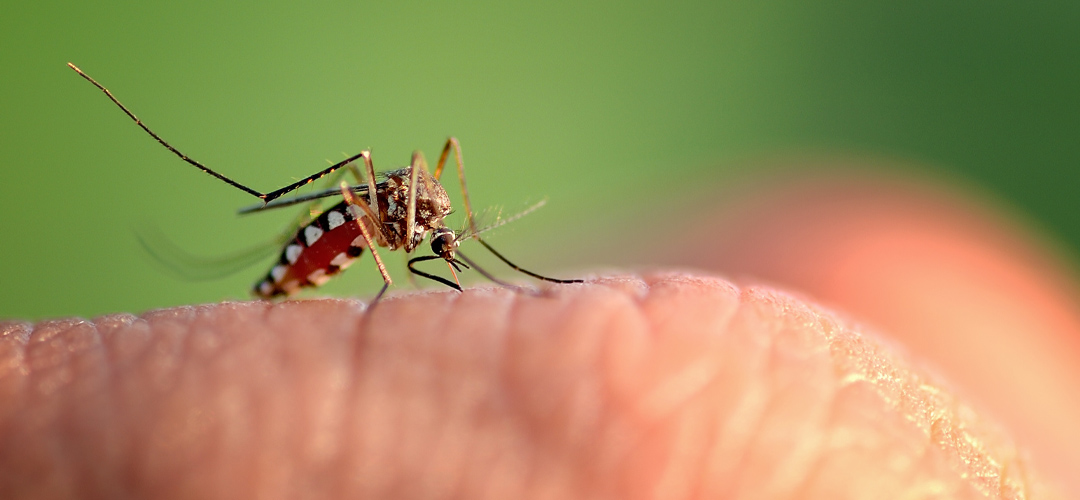
India has approved a new dengue vaccine as health authorities seek to strengthen prevention efforts against a mosquito-borne viral disease that affects millions of people worldwide every year.
According to the World Health Organization (WHO), half of the global population is currently at risk of contracting dengue, which causes between 100 million and 400 million infections annually.
Since 2021, India has recorded more than one million dengue cases, including at least 1,500 deaths.
The virus can cause high fever, severe headaches, muscle pain, nausea, skin rashes and, in rare cases, internal bleeding and death.
The vaccine, authorized by India’s Central Drugs Standard Control Organization (CDSCO), was developed by Japanese pharmaceutical company Takeda. The Indian Health Ministry said the vaccine is recommended in two doses for people between 4 and 60 years old.
The treatment has already been approved by health authorities in around 40 countries worldwide.
Meanwhile, Indian pharmaceutical company Panacea Biotec has begun the final phase of clinical trials for a single-dose dengue vaccine, aiming to provide another prevention option against the disease.
Brazil recently announced the suspension of the use of another single-dose dengue vaccine developed in the country after two suspected deaths were reported.

Honduras Warns of Possible New Dengue Epidemic as Cases Continue to Rise

CDC Issues Level 2 Travel Alert for Costa Rica Amid Chikungunya Outbreak

Nicolás Maduro’s Son Calls U.S. Trial Against His Father and Cilia Flores “Unjust”
Tec de Monterrey honors one of its students for his contribution to nanotechnology in medicine

Defense Minister commends salvadoran soldier for Central American Cross Country victory

Extension of the state of emergency approved in southern Chile
-

 International2 days ago
Controversial Pesticide Law Passes in France, Sparking Ecological Concerns and Ministerial Fallout
-

 International4 days ago
Iran Says It Is in “Full-Scale War” as U.S. Launches Ninth Consecutive Night of Airstrikes
-
 International2 days ago
U.S. Sends First Humanitarian Aid Flight to Cuba Amid Ongoing Tensions Between Both Governments
-

 Sports2 days ago
MLS Awaits Blockbuster Debuts as Griezmann and Lewandowski Join the Spotlight
-

 International4 days ago
French Parliament Moves to Approve Social Media Age Limit for Minors
-
 International4 days ago
WHO to Hold New Round of Talks After Slow Progress on Pandemic Accord
-
 International2 days ago
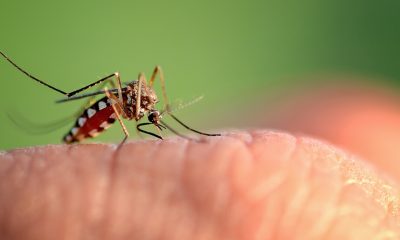
India Approves New Dengue Vaccine as Global Cases Continue to Rise
-
 International1 day ago
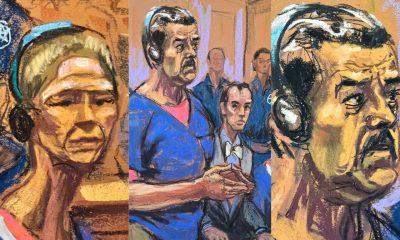
Nicolás Maduro’s Son Calls U.S. Trial Against His Father and Cilia Flores “Unjust”
-
 International1 day ago
Mexico Files 20 Complaints in U.S. Over Deaths of 17 Citizens During ICE Operations
-
 Central America9 hours ago
CDC Issues Level 2 Travel Alert for Costa Rica Amid Chikungunya Outbreak
-
 Central America9 hours ago
Honduras Warns of Possible New Dengue Epidemic as Cases Continue to Rise