
International
Volcanic ash closes airport in La Palma – again
AFP
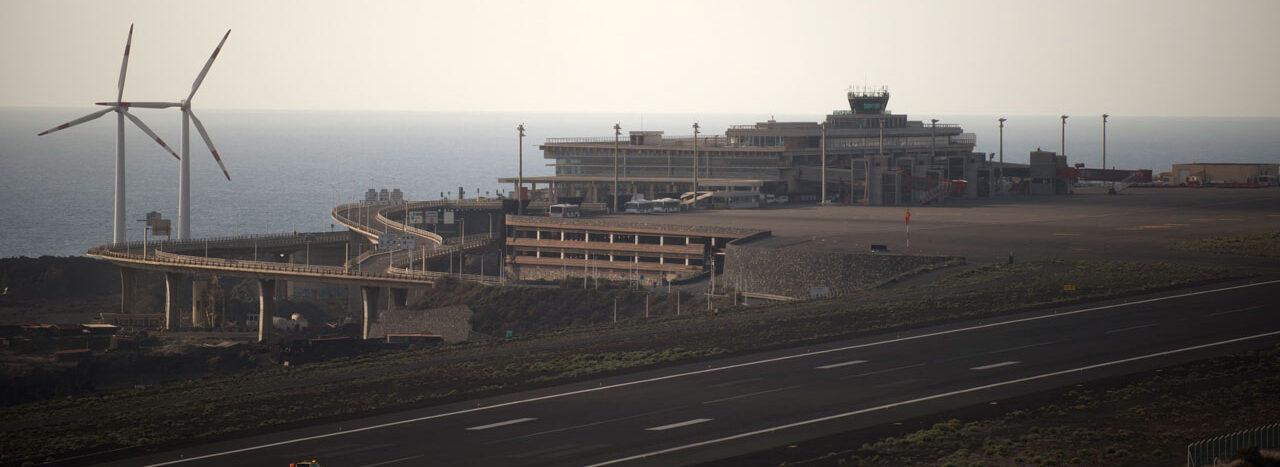
Clouds of thick ash from the volcano on La Palma on Thursday forced the island’s airport to close for the second time since the eruption began last month, Spain’s airport authority said.
“La Palma airport is not operational due to the accumulation of ash,” AENA tweeted, with a spokeswoman telling AFP “some cleaning work needs to be done” on the runways before it would reopen.
The airport was briefly shut on September 25 after a thick cloud of black ash forced airlines to cancel flights.
Although it was reopened a day later, flights did not resume until September 29.











It has been 18 days since La Cumbre Vieja began erupting, forcing more than 6,000 people out of their homes as the lava burnt its way across huge swathes of land on La Palma, one of Spain’s Atlantic Canary Islands that lie off the northwestern coast of Morocco.
The AENA spokeswoman said Thursday’s airport closure “may not last very long”.
David Calvo, spokesman for Involcan, the Canary Islands volcanic institute, said the volcano was producing “a lot of ash”, saying a change in the wind meant the ash cloud was “affecting the airport”.
On Wednesday evening, local airline Binter had said it was cancelling all flights in and out of La Palma.
“This suspension will last until conditions improve and we can fly safely,” Binter tweeted, with rival airline Canaryfly also suspending flights.
An AFP correspondent at the scene said the glowing lava streams could still be seen for miles around on Wednesday night.
By Thursday morning, images released by the Spanish Geological and Mining Institute (IGME) showed a thick cloud of black smoke billowing from the crater of Cumbre Vieja.
– The 100-acre lava delta –
Pumping out endless streams of molten rock with a temperature of over 1,000 degrees Celsius (1,832 degrees Fahrenheit), the volcano spewed out streams of lava that consumed more than 1,000 acres (422 hectares) of land as it cut a six-kilometre (3.5-mile) path to the sea.
Once it reached the coast on September 29, it cascaded into the sea, creating a growing lava delta that is currently the size of 60 football pitches (100 acres), Involcan data shows.
And figures released on Tuesday by the islands’ regional government said more than 605 of the destroyed buildings were homes.
It has also destroyed huge swathes of banana plantations — the chief cash crop on La Palma.
“The damage is enormous.. We are talking about a third of the banana production of the entire Canary Islands,” the archipelago’s regional head Angel Víctor Torres said last week, indicating the current harvest had been “completely lost”.
The eruption on La Palma, an island of some 85,000 people, is the first in 50 years.
The last was in 1971 when another part of the same volcanic range — a vent known as Teneguia — erupted on the southern side of the island.
Two decades earlier, the Nambroque vent erupted in 1949.










International
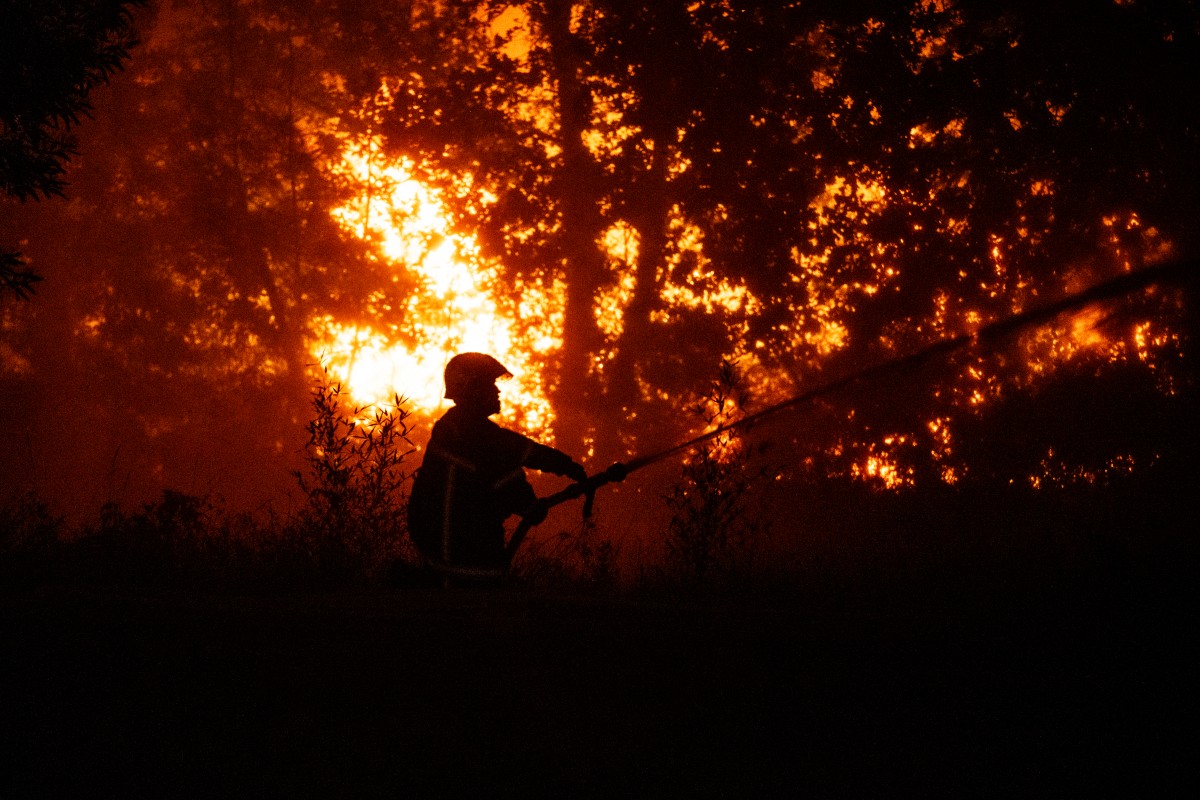
Wildfires in France Burn Nearly Three Times More Land Than in 2025, Interior Minister Says
International
Israel Says Saudi Recognition Would Mark ‘Historic Breakthrough’ for Middle East Peace
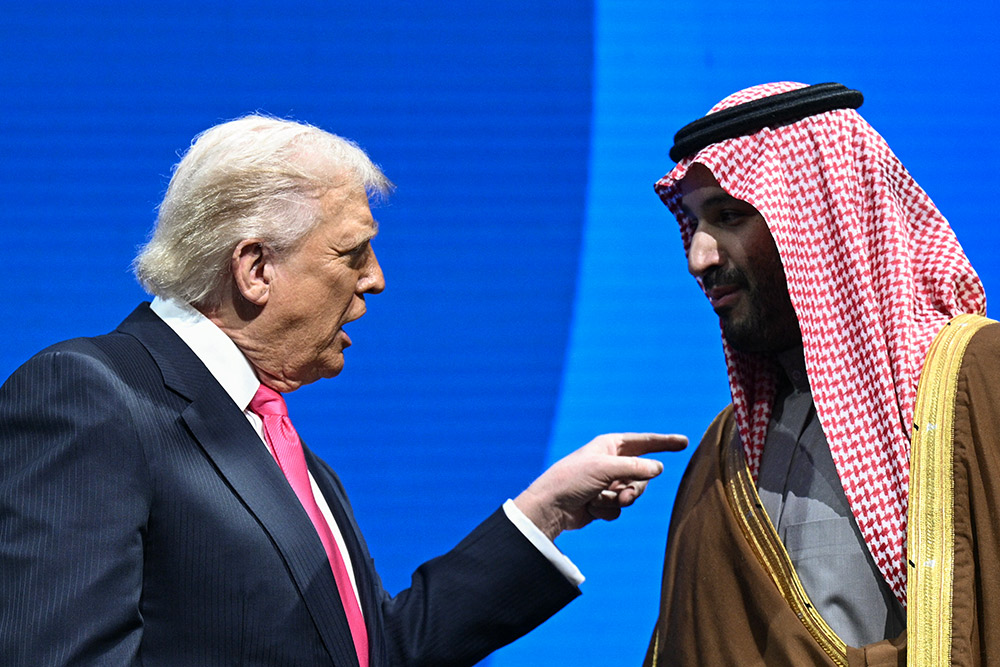
The office of Israeli Prime Minister Benjamin Netanyahu said Thursday that Saudi Arabia’s recognition of Israel would represent a “historic breakthrough” toward achieving peace in the Middle East.
The statement came after the United States and Saudi Arabia announced an agreement on Wednesday to establish a civil nuclear program in the kingdom. U.S. President Donald Trump said the initiative would be linked to Riyadh’s decision to normalize diplomatic relations with Israel.
“Saudi Arabia joining the Abraham Accords would represent a historic breakthrough toward peace in the Middle East,” Netanyahu’s office said following Trump’s announcement.
The statement added that recent developments, including joint military actions by the United States and Israel against Iran, as well as Israel’s efforts against what it described as Iran’s “terror axis,” have created new opportunities to expand regional diplomatic ties.
“The joint U.S.-Israeli military action against the genocidal regime in Tehran and Israel’s defeat of Iran’s terror axis have created the possibility of expanding the circle of peace,” the statement said.
A potential normalization agreement between Israel and Saudi Arabia would represent a major diplomatic shift in the region, as Riyadh has long been viewed as one of the key countries whose formal recognition could significantly reshape Middle Eastern relations.
International
Nicolás Maduro’s Son Calls U.S. Trial Against His Father and Cilia Flores “Unjust”
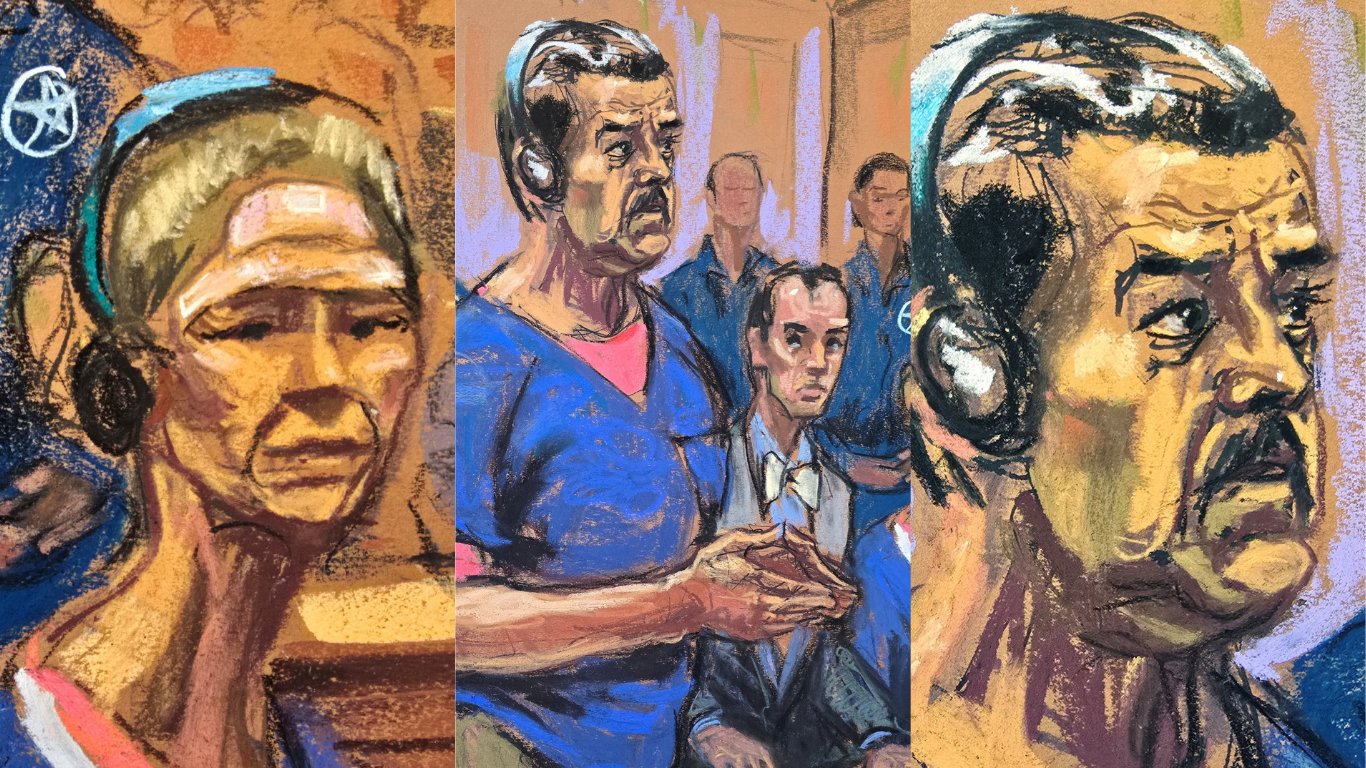
Venezuelan lawmaker Nicolás Maduro Guerra on Wednesday described as “unjust” the legal proceedings in the United States against his father, ousted Venezuelan President Nicolás Maduro, and his wife, Cilia Flores, following their capture in Caracas on January 3 by U.S. forces.
“Faced with the unjust trial taking place today, the people raised their voices with a single demand: We demand the immediate release of President Nicolás Maduro and the First Lady,” Maduro Guerra wrote on his Instagram account.
The lawmaker attended a rally in Caracas where supporters of the ruling United Socialist Party of Venezuela (PSUV)gathered to show support for the former president, who faces charges in the United States including conspiracy to commit narco-terrorism and cocaine importation. Flores is accused of crimes related to drug trafficking and weapons possession.
The event was also attended by PSUV Vice President for Mobilizations and Events Nahum Fernández and Caracas Mayor Carmen Meléndez, according to photos shared by Maduro’s son.
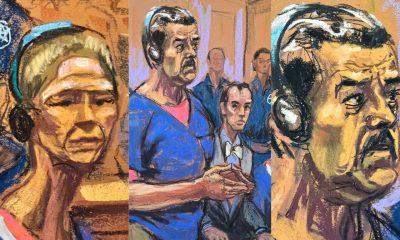
The third hearing in the case against Maduro and Flores concluded Wednesday at a federal court in New York after lasting only about 18 minutes. During the hearing, the judge preliminarily set June 2027 as the expected start date for the trial.
One of the main arguments from the defense will focus on immunity. Maduro’s lead attorney, Barry Pollack, who has also represented WikiLeaks founder Julian Assange, said the defense plans to request immunity for both defendants, arguing that Maduro was serving as head of state and Flores as first lady at the time of their detention.
Both Maduro and Flores pleaded not guilty during their first court appearance in New York on January 5.
Meanwhile, Venezuela’s interim president Delcy Rodríguez, who assumed power after Maduro’s capture, has not yet commented on Wednesday’s hearing in the United States.

Wildfires in France Burn Nearly Three Times More Land Than in 2025, Interior Minister Says

Israel Says Saudi Recognition Would Mark ‘Historic Breakthrough’ for Middle East Peace

Honduras Warns of Possible New Dengue Epidemic as Cases Continue to Rise
Tec de Monterrey honors one of its students for his contribution to nanotechnology in medicine

Defense Minister commends salvadoran soldier for Central American Cross Country victory

Extension of the state of emergency approved in southern Chile
-
 International4 days ago
Controversial Pesticide Law Passes in France, Sparking Ecological Concerns and Ministerial Fallout
-
 Central America2 days ago
CDC Issues Level 2 Travel Alert for Costa Rica Amid Chikungunya Outbreak
-
 Sports4 days ago
MLS Awaits Blockbuster Debuts as Griezmann and Lewandowski Join the Spotlight
-
 International4 days ago
U.S. Sends First Humanitarian Aid Flight to Cuba Amid Ongoing Tensions Between Both Governments
-
 International3 days ago
Mexico Files 20 Complaints in U.S. Over Deaths of 17 Citizens During ICE Operations
-
 International3 days ago
Nicolás Maduro’s Son Calls U.S. Trial Against His Father and Cilia Flores “Unjust”
-
 International22 hours ago
Wildfires in France Burn Nearly Three Times More Land Than in 2025, Interior Minister Says
-
 International4 days ago
India Approves New Dengue Vaccine as Global Cases Continue to Rise
-
 Central America2 days ago
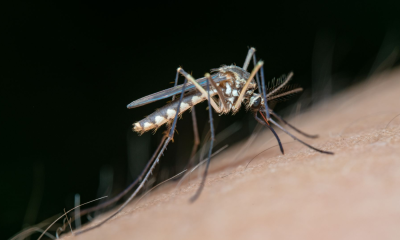
Honduras Warns of Possible New Dengue Epidemic as Cases Continue to Rise
-
 International22 hours ago
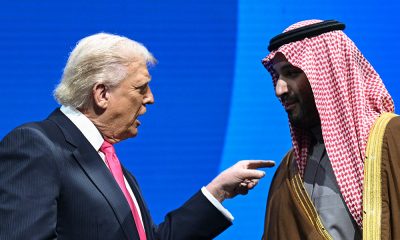
Israel Says Saudi Recognition Would Mark ‘Historic Breakthrough’ for Middle East Peace