
International
Protesters in Brazil demand Bolsonaro’s impeachment
AFP
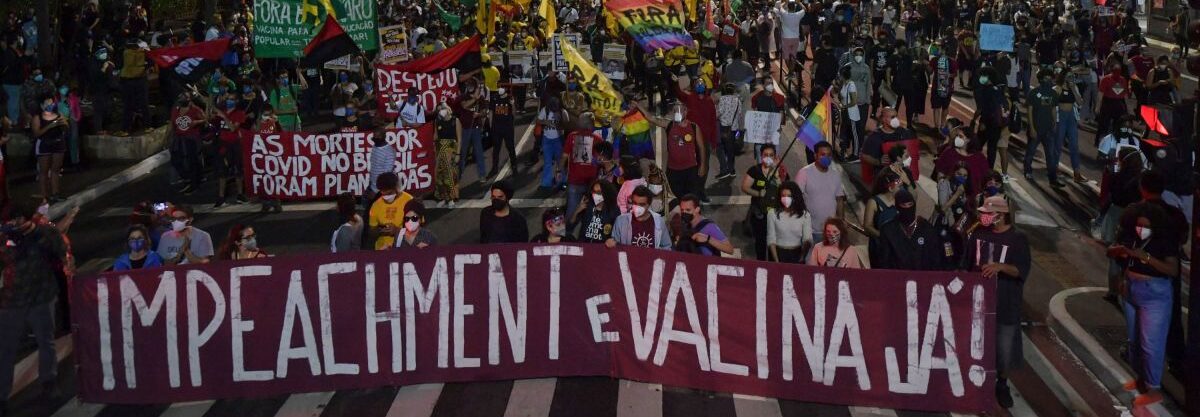
Tens of thousands of Brazilians took to the streets around the country Saturday, once again calling for the ouster of unpopular President Jair Bolsonaro over his handling of the coronavirus pandemic, among other issues.
Large crowds gathered in Rio de Janeiro, Sao Paulo, Brasilia and dozens of other towns and cities as part of the “Bolsonaro Out National Campaign,” which is backed by a dozen left-wing political parties and labor groups.
Among other issues, the right-wing president has come under stinging criticism for his handling of the pandemic, which has claimed nearly 600,000 lives here.
Hundreds of people marched through the central Rio de Janeiro neighborhood of Candelaria, shouting “Bolsonaro out!” which was also emblazoned on several large banners.











“We’re going to get him out. The hope of the people here in the streets is to put pressure on legislators so that they call for impeachment,” 69-year-old retired professor Elizabeth Simoes told AFP.
More than 100 requests for the impeachment of Bolsonaro have been filed with the Chamber of Deputies, but its leader Arthur Lira, a government ally, has refused to take any of them up.
The Supreme Court has ordered several investigations into Bolsonaro and his aides, including for spreading false information.
In Sao Paulo, tens of thousands of people gathered Saturday afternoon on the central Paulista Avenue, including former cabinet minister Ciro Gomes.
“Bolsonaro is destroying the national economy,” said the center-left politician, calling for unity. “He fills Brazil with shame abroad and is responsible for the death of almost 600,000 Brazilians” from Covid-19.
Meanwhile, hundreds of demonstrators gathered along the Esplanade of Ministries in Brasilia.
Local media counted protests in 24 of Brazil’s 27 states, and in 84 cities, including 14 state capitals.
Red flags of the Workers’ Party of former president Luiz Inacio Lula da Silva, or Lula, could be seen Saturday, along with Brazilian flags and the signs of several other left-wing and centrist parties often seen at protests against the far-right Bolsonaro.
– ‘Can’t stand this government’ –
In recent months, protests led by leftist movements have demanded Bolsonaro’s impeachment due to his mismanagement of the pandemic. But Saturday’s demonstrations were also against a hike in food and fuel prices, as well as for relief for the 14.1 million unemployed people throughout the country.
“The population is going hungry, and we can’t stand this government any longer,” said Isadora Lessa, 22, in Rio.
“What is the importance of being here? That he knows he doesn’t have unanimity, that he’s going to have a hard time getting elected again,” said Marcelo Werneck, who joined the protests in Rio in memory of the “friends and family” who died of Covid-19.
“If he doesn’t face an impeachment, he loses the election in 2022,” Werneck added.
Besieged by judicial investigations and the economic crisis, Bolsonaro’s popularity has plummeted in recent months to 22 percent, its lowest level since he took office in January 2019.
But backers of the president have also made themselves known in recent weeks, as around 125,000 of them gathered in Brasilia and Sao Paulo September 7 in a show of support for Bolsonaro.
A mid-September opinion poll by the Datafolha Institute found that Bolsonaro has 26 percent support compared with Lula’s 44 percent, just one year ahead of the presidential vote.










International
India Approves New Dengue Vaccine as Global Cases Continue to Rise
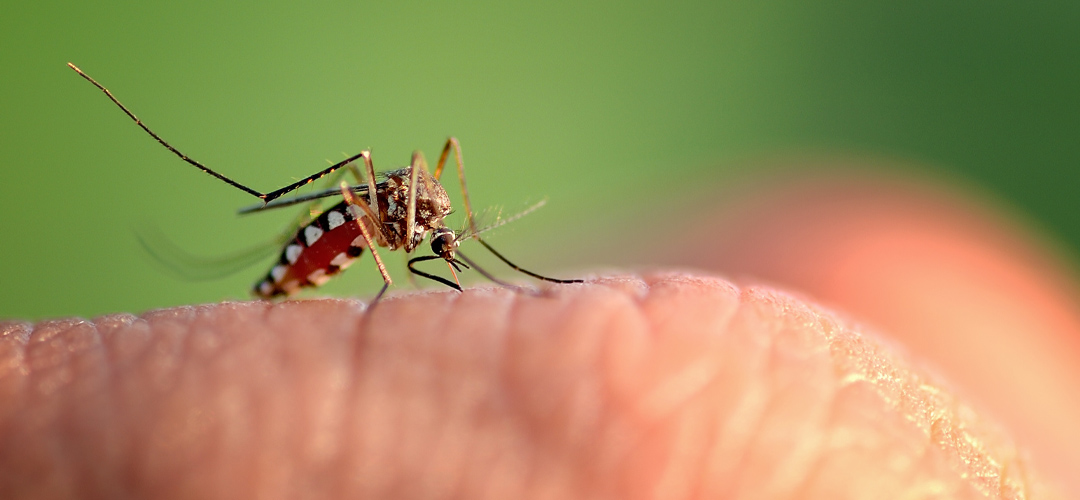
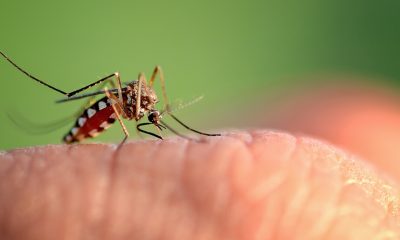
India has approved a new dengue vaccine as health authorities seek to strengthen prevention efforts against a mosquito-borne viral disease that affects millions of people worldwide every year.
According to the World Health Organization (WHO), half of the global population is currently at risk of contracting dengue, which causes between 100 million and 400 million infections annually.
Since 2021, India has recorded more than one million dengue cases, including at least 1,500 deaths.
The virus can cause high fever, severe headaches, muscle pain, nausea, skin rashes and, in rare cases, internal bleeding and death.
The vaccine, authorized by India’s Central Drugs Standard Control Organization (CDSCO), was developed by Japanese pharmaceutical company Takeda. The Indian Health Ministry said the vaccine is recommended in two doses for people between 4 and 60 years old.
The treatment has already been approved by health authorities in around 40 countries worldwide.
Meanwhile, Indian pharmaceutical company Panacea Biotec has begun the final phase of clinical trials for a single-dose dengue vaccine, aiming to provide another prevention option against the disease.
Brazil recently announced the suspension of the use of another single-dose dengue vaccine developed in the country after two suspected deaths were reported.
International
U.S. Sends First Humanitarian Aid Flight to Cuba Amid Ongoing Tensions Between Both Governments
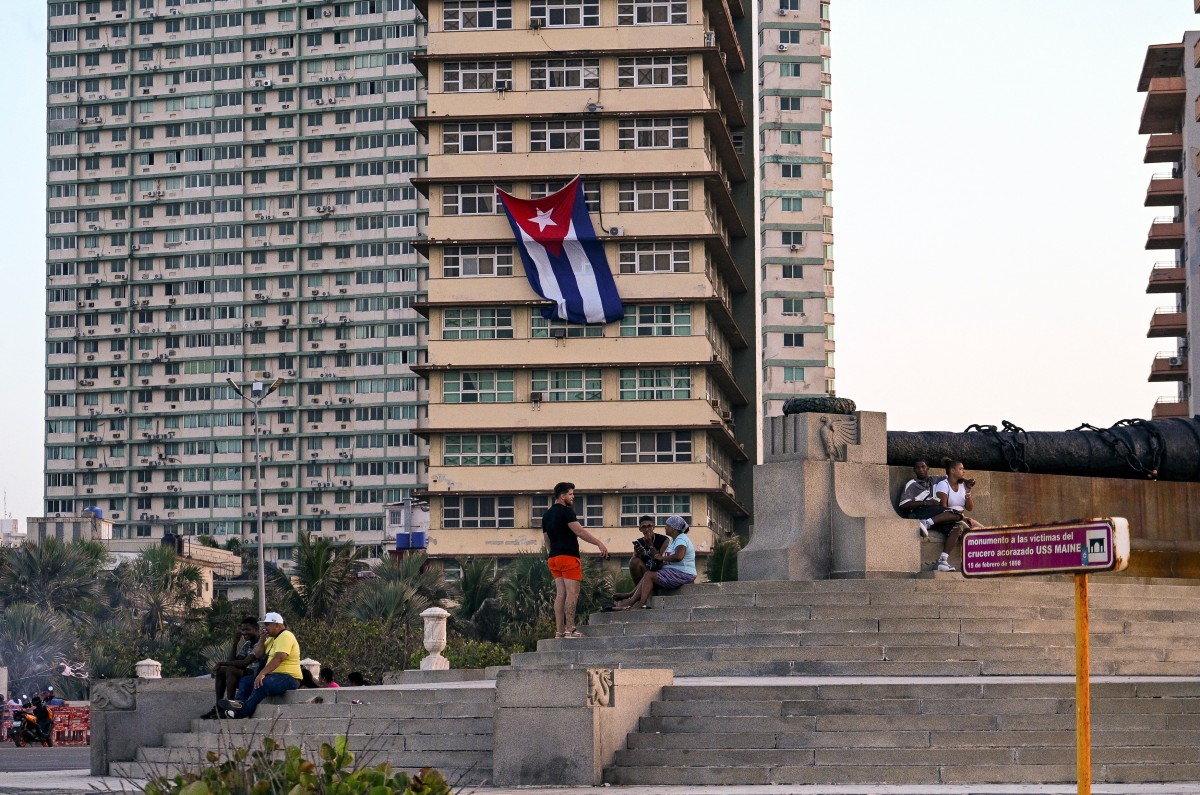
The United States announced Tuesday the dispatch of a humanitarian aid flight to Cuba as part of a $100 million assistance package proposed by Secretary of State Marco Rubio in May.
The flight departed from Miami with the support of Catholic Relief Services, according to a statement from the U.S. State Department.
The administration of President Donald Trump, which has maintained restrictions on oil supplies to the island and tightened sanctions against the Cuban government, had initially announced humanitarian assistance in November following the devastating impact of Hurricane Melissa.
In February, amid rising tensions between Washington and Havana, Rubio announced an increase in aid while continuing to criticize the Cuban government.
The U.S. secretary of state accused Cuba’s communist authorities of obstructing the distribution of assistance. Washington has insisted that the aid be delivered through the Catholic Church to ensure it reaches Cuban citizens directly.
The Cuban government, meanwhile, has blamed the U.S. oil blockade for making the distribution of humanitarian assistance significantly more difficult.
The aid shipment comes as relations between the two countries remain strained, with disagreements continuing over sanctions, energy supplies and the management of humanitarian support.
International
Controversial Pesticide Law Passes in France, Sparking Ecological Concerns and Ministerial Fallout
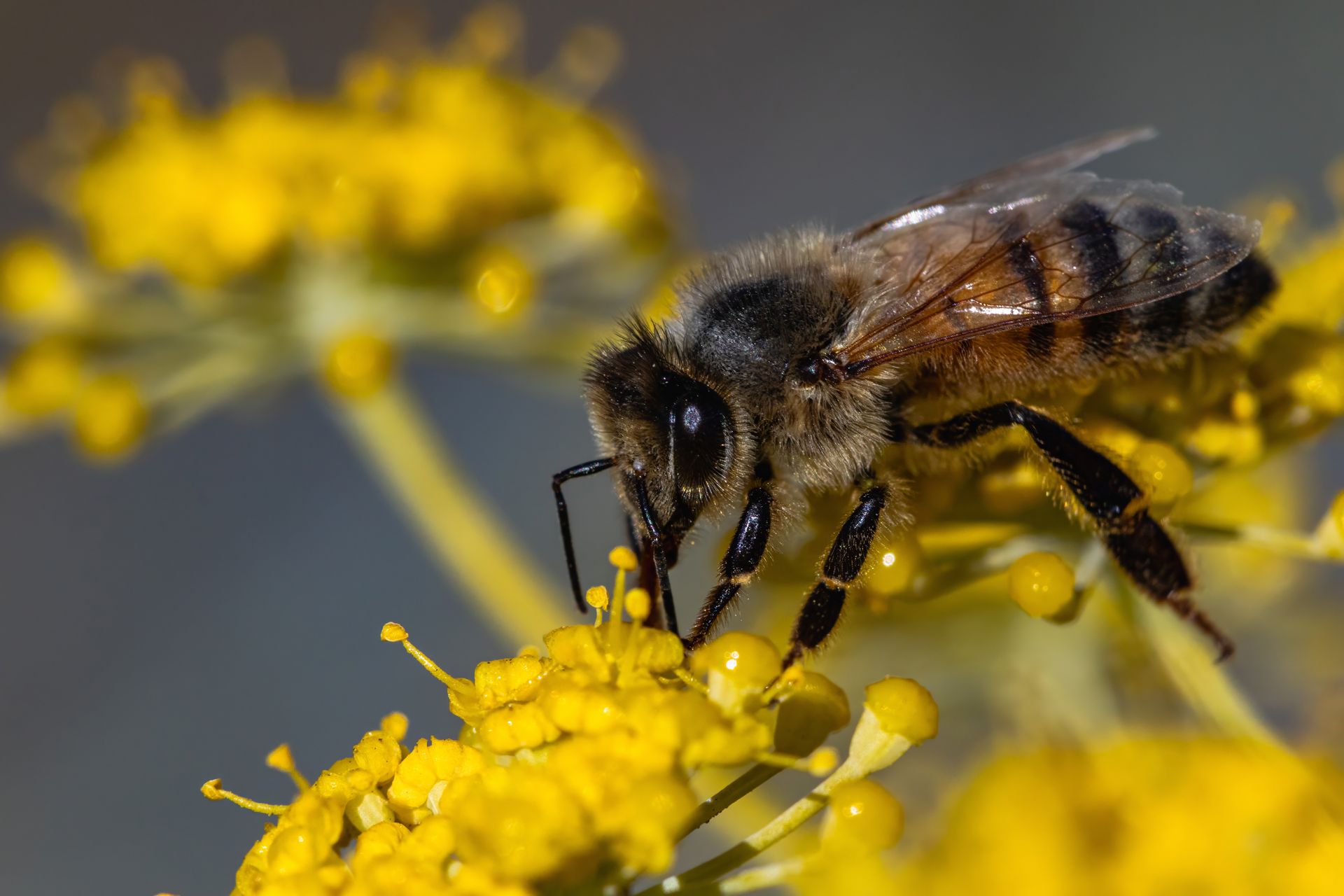
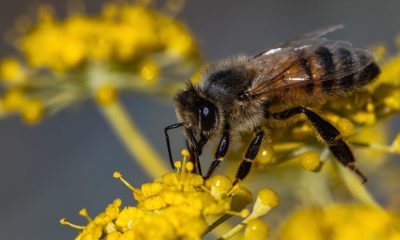
The French Parliament on Tuesday approved a highly controversial agricultural law that allows certain farmers to use two pesticides considered harmful to bees, substances that had been banned in France but remain authorized in the European Union.
After the National Assembly, the lower house of Parliament, approved the agricultural bill in the early hours of Tuesday, the Senate gave its final approval with a vote of 214 in favor and 111 against, officially adopting the measure.
Following the decision to reintroduce the use of acetamiprid and flupyradifurone, the office of Environment Minister Monique Barbut announced that she would soon submit her resignation.
Supporters of the measure argue that French producers of sugar beets, apples and hazelnuts need access to these insecticides — banned in France since 2018 and 2019, respectively — to remain competitive with European farmers in other countries where the products are still allowed.
Opponents, including environmental groups, argue that the substances pose serious risks to bees and could also threaten human health.
“Let us be proud of the work that has been done,” said Senator Laurent Duplomb of the conservative Republicans party, one of the main supporters of the measure.
The vote came after France’s Constitutional Council, the country’s highest court, struck down a previous attempt last year to bring back acetamiprid, ruling that the measure could pose risks to human health. That decision followed a petition signed by more than two million people opposing the pesticide’s reintroduction.
The previous bill had also been promoted by Duplomb, who argued that French agriculture needed additional tools to compete in international markets.

India Approves New Dengue Vaccine as Global Cases Continue to Rise

U.S. Sends First Humanitarian Aid Flight to Cuba Amid Ongoing Tensions Between Both Governments

Controversial Pesticide Law Passes in France, Sparking Ecological Concerns and Ministerial Fallout
Tec de Monterrey honors one of its students for his contribution to nanotechnology in medicine

Defense Minister commends salvadoran soldier for Central American Cross Country victory

Extension of the state of emergency approved in southern Chile
-
 International3 days ago
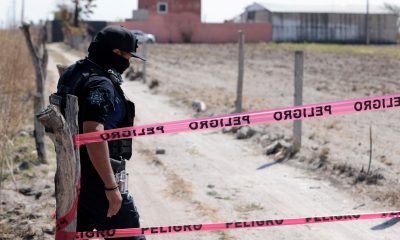
Ten Bodies Found in Mexico’s Zacatecas State Amid Security Operation
-
 International6 hours ago
Controversial Pesticide Law Passes in France, Sparking Ecological Concerns and Ministerial Fallout
-

 International1 day ago
Iran Says It Is in “Full-Scale War” as U.S. Launches Ninth Consecutive Night of Airstrikes
-

 International1 day ago
French Parliament Moves to Approve Social Media Age Limit for Minors
-
 International1 day ago
WHO to Hold New Round of Talks After Slow Progress on Pandemic Accord
-

 Sports6 hours ago
MLS Awaits Blockbuster Debuts as Griezmann and Lewandowski Join the Spotlight
-
 International6 hours ago
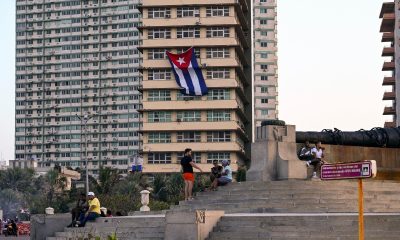
U.S. Sends First Humanitarian Aid Flight to Cuba Amid Ongoing Tensions Between Both Governments
-
 International6 hours ago
India Approves New Dengue Vaccine as Global Cases Continue to Rise