
Central America
Gunfire and protests mark controversial rector reelection at Guatemala’s USAC
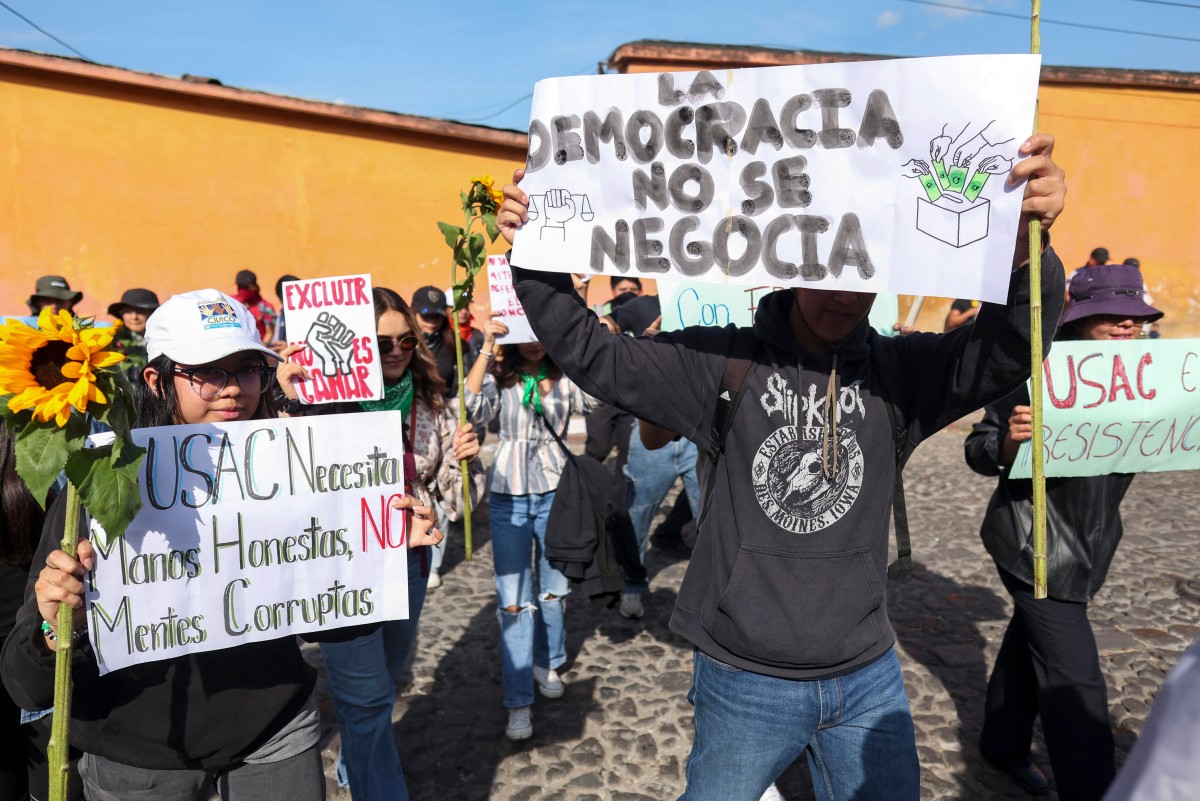
University of San Carlos of Guatemala (USAC), which serves around 200,000 students, plays a key role in the selection of top judicial authorities in Guatemala, including positions within the prosecutor’s office and other institutions often questioned over corruption.
The reelection of the university’s rector on Wednesday was marred by gunfire and clashes outside the hotel where the vote took place in Antigua Guatemala, west of the capital. Authorities reported no injuries following the unrest.
The electoral process, which granted a new term to Walter Mazariegos, was criticized by the Organization of American States, which described it as a “flawed process.”
USAC holds significant influence in Guatemala’s institutional framework, as it appoints two magistrates to the Constitutional Court—the country’s highest judicial body—and participates in the selection of members of the Supreme Electoral Tribunal, both processes carried out earlier this year.
Videos shared by local media showed an individual firing a weapon into the air inside the hotel during the vote. Academic representatives and students gathered at the venue, while hundreds of protesters demonstrated outside, denouncing the exclusion of some delegates in what they claimed was an effort to favor Mazariegos.









The unrest escalated after alleged security personnel used fire extinguishers against police officers attempting to enter the hotel alongside a judge, who sought to verify reports that opposition voters were being held inside, according to local press reports.
“The election was illegitimate,” said Rodolfo Chang through a loudspeaker after being declared “legitimate rector” in a separate vote held outside the venue.
A day earlier, the Organization of American States had urged authorities to act to “prevent the completion of a flawed process.”






Central America
Guatemala Dismantles Largest Cocaine Lab Found in 15 Years Near Mexico Border
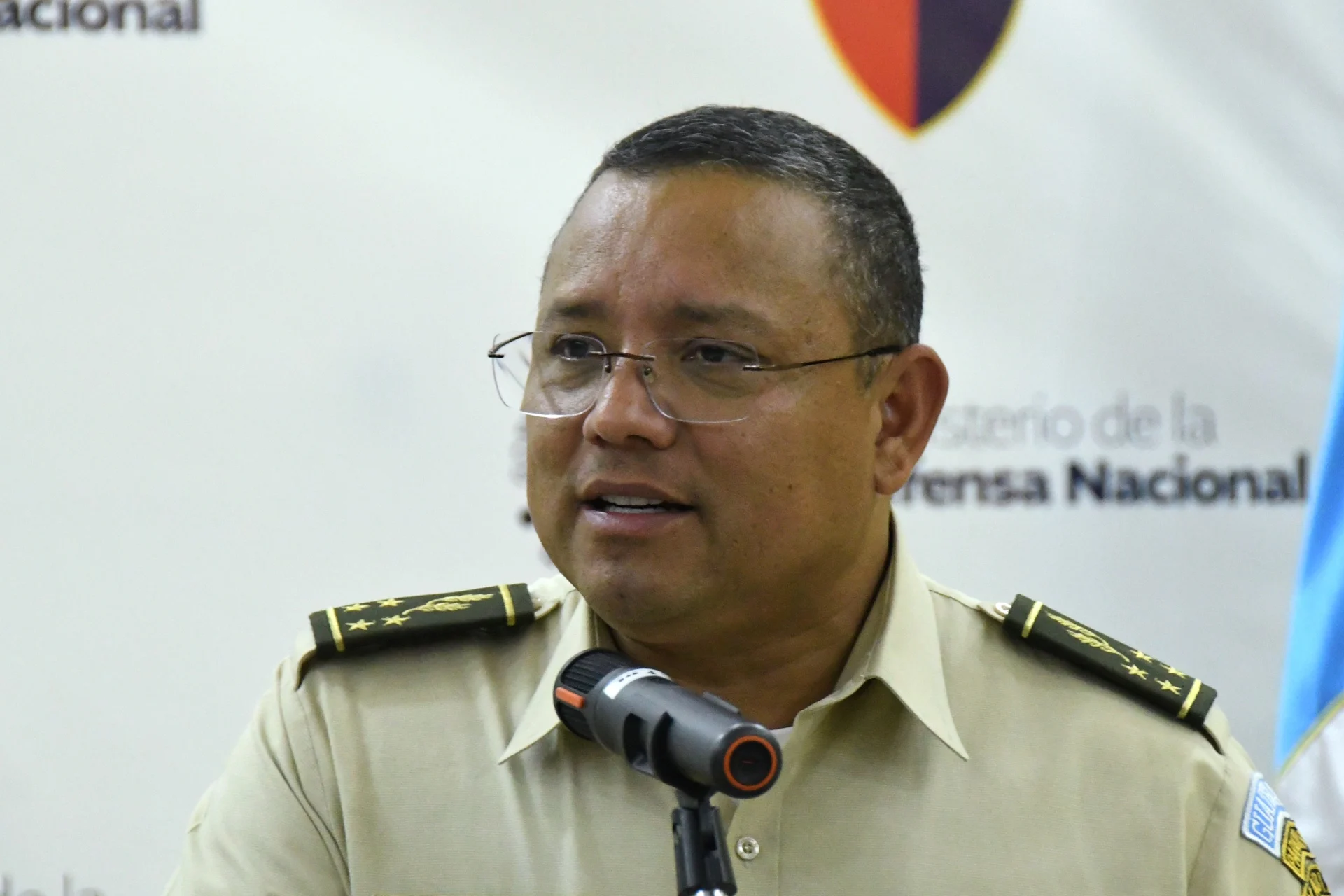
Security forces in Guatemala discovered what authorities described as the largest cocaine laboratory dismantled in the country in the last 15 years, located in the southwest near the border with Mexico, officials announced on Wednesday.
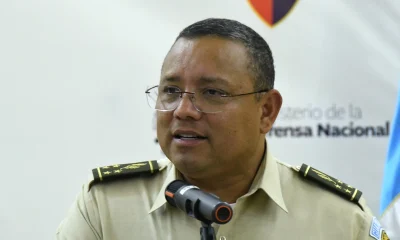
Guatemalan Defense Minister Henry Sáenz said during a press conference that the operation was carried out as part of “Operation Ring of Fire,” a large-scale security initiative launched by the Guatemalan government and military to reinforce border controls and combat organized crime, particularly along the Mexican border.
The operation focused on the community of Zanjón San Lorenzo, in the municipality of Ayutla, San Marcos department, where authorities uncovered a sophisticated criminal compound made up of three interconnected buildings equipped to carry out the full cocaine production process.
“What we can preliminarily observe in these facilities is the complete production cycle used to produce cocaine ready for consumption,” Sáenz stated, adding that the investigation remains ongoing and additional findings could emerge.
The minister highlighted the scale and complexity of the laboratory, comparing it to previous major drug seizures in the country.
“The last major laboratory we found was in El Estor, Izabal, in 2019, and that facility only processed coca paste,” he explained.
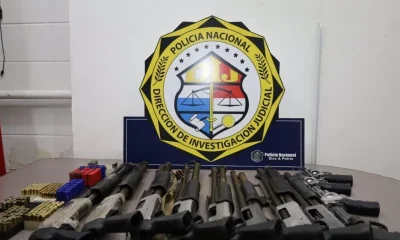
Authorities arrested eight individuals during the raid and seized a cache of weapons that included 14 military-style assault rifles, three 9mm pistols, and 1,306 rounds of ammunition.
Security forces also confiscated cash totaling 74,461 quetzales (approximately $9,600), $26,787 in U.S. currency, and 118,000 Mexican pesos.
Central America
Opposition leader highlights migration crisis in Panama speech
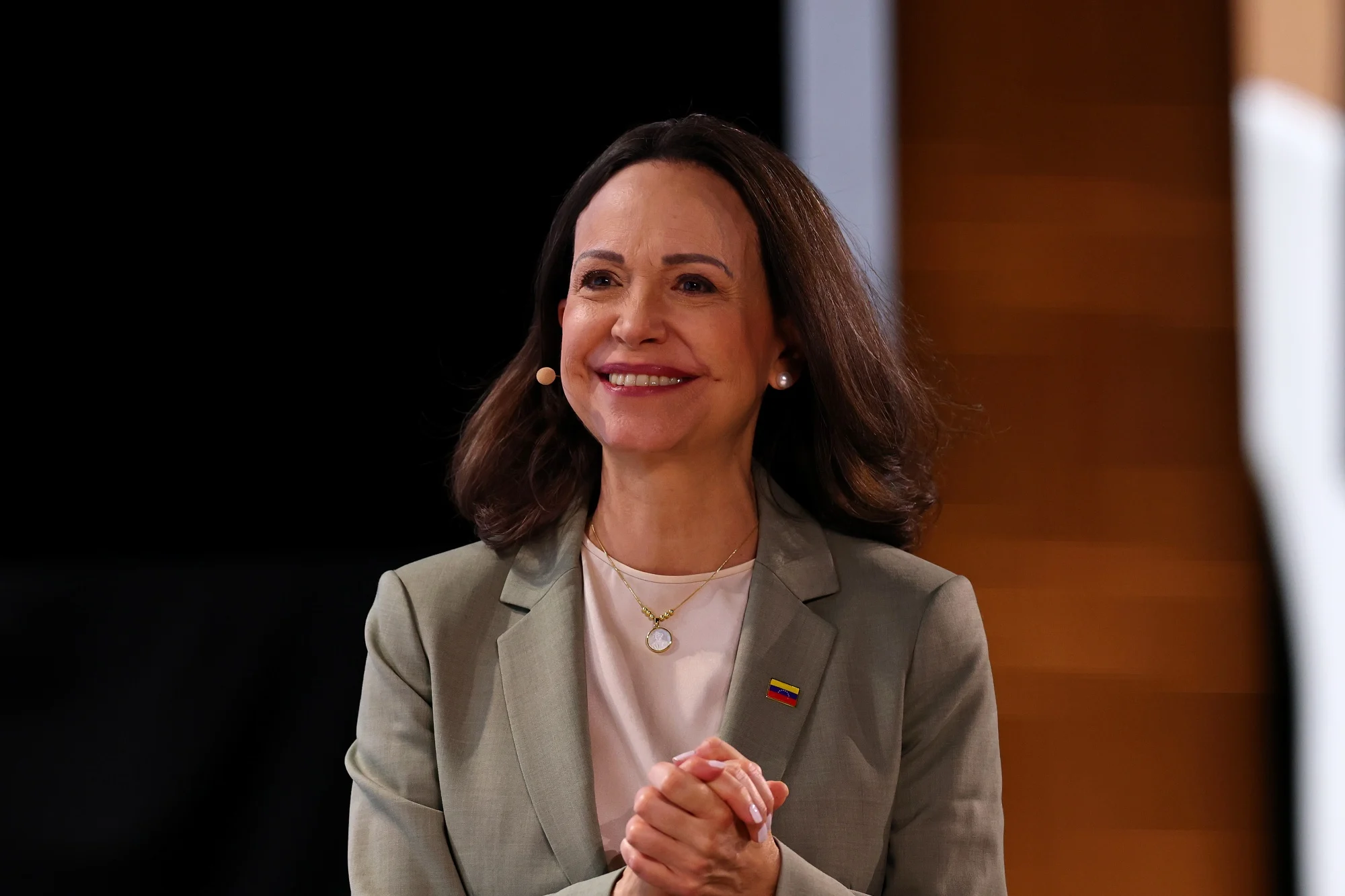
Opposition leader María Corina Machado recalled on Monday, during her final day in Panama, the thousands of Venezuelan migrants who crossed the dangerous Darién Gap jungle on their journey toward North America in search of better living conditions.
Speaking before Panama’s National Assembly, Machado stated that “more than 500,000 Venezuelans have crossed the Darién in search of freedom,” adding that many did not survive the journey.
Her remarks highlighted the Darién Gap as a central route in the recent regional migration crisis, where thousands of migrants—mostly Venezuelans—have attempted to travel north through one of the most dangerous jungle passages in the Americas.
According to migration data cited in recent years, the Darién route has seen daily flows of over a thousand migrants at its peak, reflecting the scale of the humanitarian challenge in the region.
Central America
Nicaragua’s Alliances With U.S. Rivals Could Trigger More Sanctions, Analysis Says
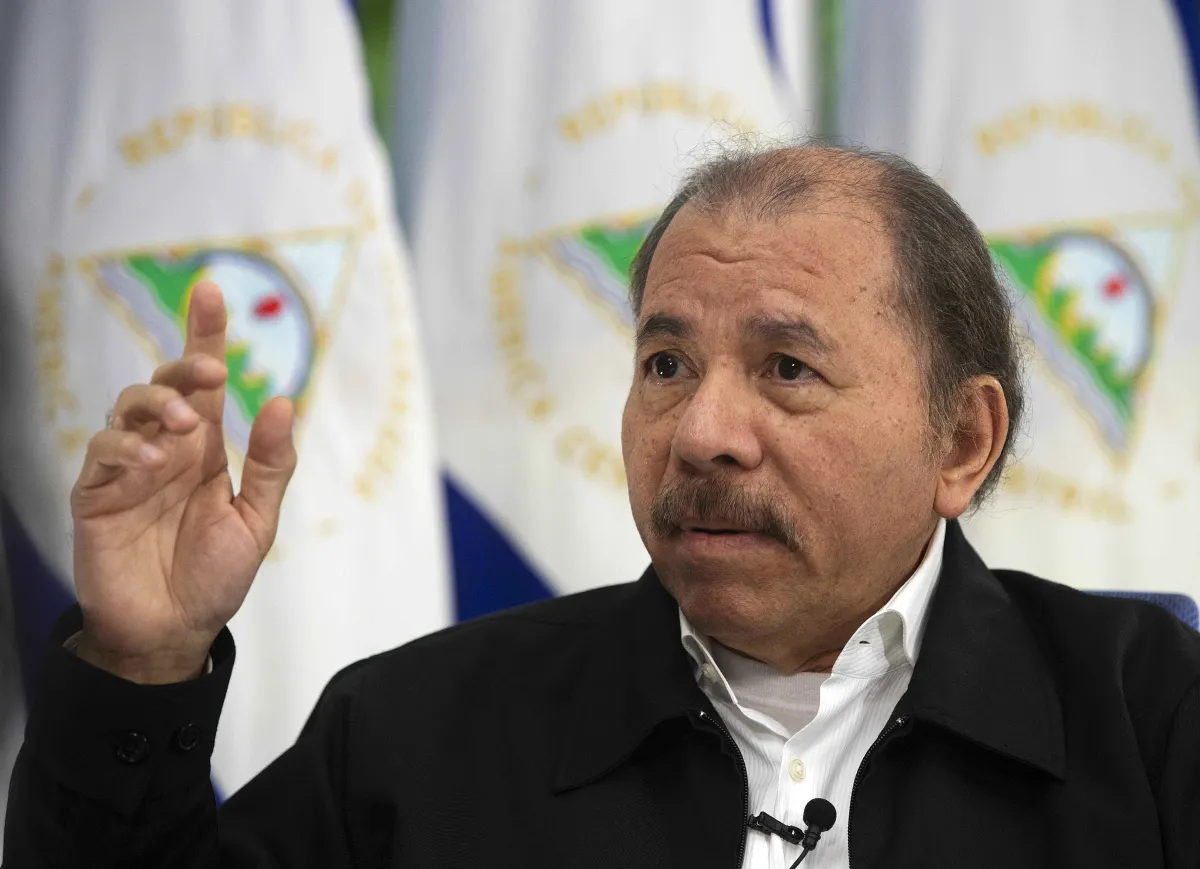
The administration of U.S. President Donald Trump is expected to maintain political and economic pressure on the government of Nicaragua, led by Daniel Ortega and Rosario Murillo, due to its growing alliances with Russia, China and Iran, according to an analysis released Monday by the Centro de Estudios Transdisciplinarios de Centroamérica (Cetcam).
The report states that tensions between Washington and Managua have increased since the beginning of Trump’s second term and could worsen amid the regional political climate, particularly because of developments in Venezuela and Cuba.
Cetcam researchers noted that since the second half of 2025, the U.S. government has intensified criticism of the Sandinista administration, mainly regarding political prisoners, human rights, religious freedom and what it describes as the authoritarian model established by Ortega and Murillo.
“With this background, it is possible to foresee that Washington will maintain pressure, including sanctions, against the Ortega-Murillo dictatorship,” the think tank stated in its report.
The study also warns that one of Washington’s main concerns is the strengthening relationship between Managua and countries considered strategic rivals of the United States, particularly Russia, China and Iran.
Among the developments highlighted is the recent ratification by the Russian Senate of a military cooperation agreement signed with Nicaragua in 2025. The deal is expected to strengthen strategic coordination and Russia’s presence in Central America for an initial five-year period.
According to Cetcam, the move will “hardly go unnoticed” by the United States.

Interpol Operation Leads to 8,700 Arrests and Massive Drug Seizures Across Latin America

Mexico Denies Interpol Red Notice Against Sinaloa Governor Rubén Rocha Moya

Guatemala Dismantles Largest Cocaine Lab Found in 15 Years Near Mexico Border
Tec de Monterrey honors one of its students for his contribution to nanotechnology in medicine

Defense Minister commends salvadoran soldier for Central American Cross Country victory

Extension of the state of emergency approved in southern Chile
-
 International5 days ago
Iran says agreement with U.S. to end Middle East conflict is in final stages
-
 International2 days ago
Diplomatic Talks Continue as Iran Accuses U.S. of Ceasefire Violations
-
 International2 days ago
Omar García Harfuch Announces Arrest of “El Chapo’s” Nephew
-
 Central America3 days ago
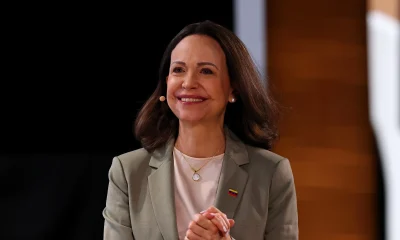
Opposition leader highlights migration crisis in Panama speech
-
 International1 day ago
Mexico Denies Interpol Red Notice Against Sinaloa Governor Rubén Rocha Moya
-
 International2 days ago
Rubio and Lavrov Hold Talks After Large-Scale Russian Assault on Ukraine
-
 Central America1 day ago
Guatemala Dismantles Largest Cocaine Lab Found in 15 Years Near Mexico Border
-
 International3 days ago
Ecuador’s Noboa vows to continue “war” on criminal groups
-
 International1 day ago
Interpol Operation Leads to 8,700 Arrests and Massive Drug Seizures Across Latin America