
International
Trump Signals Extended U.S. Influence Over Venezuela Following Military Operation
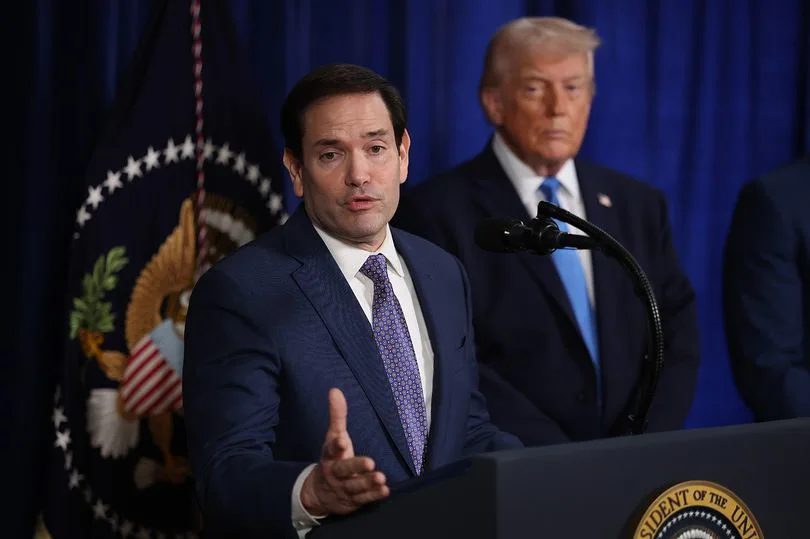
In this context, the Trump administration has openly stated that the United States will dictate decisions to Venezuela’s interim government led by Delcy Rodríguez and will control the country’s oil sales indefinitely, according to statements from the White House. Karoline Leavitt, the White House press secretary, said at a press briefing that “we obviously have the maximum capacity to pressure the interim authorities of Venezuela at this time,” highlighting U.S. influence over Caracas.
On January 3, U.S. forces carried out a military strike in Venezuela aimed at overthrowing President Nicolás Maduro; the operation resulted in his capture and the apprehension of his wife, Cilia Flores, who were subsequently taken to New York, where they now face federal narcotics-related charges. Venezuelan authorities reported that the attack left at least 100 people dead, and both Maduro and Flores were injured during the assault.
When asked by The New York Times how long the United States plans to maintain control over Venezuela, President Donald Trump responded: “Only time will tell.” Pressed on whether that meant three months, six months, or a year, Trump replied, “I’d say much longer,” indicating that U.S. involvement could extend well beyond initial expectations.
The administration’s actions have heightened regional and global tensions, with critics questioning the legality and long-term implications of a military intervention and direct influence over Venezuelan governance and natural resources.






International
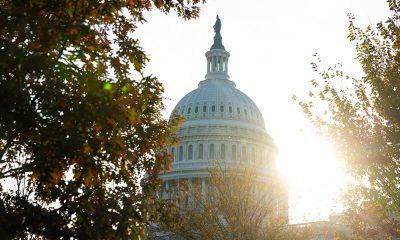
Senate Bipartisan Vote Moves Measure to Block Further U.S. Military Action in Venezuela
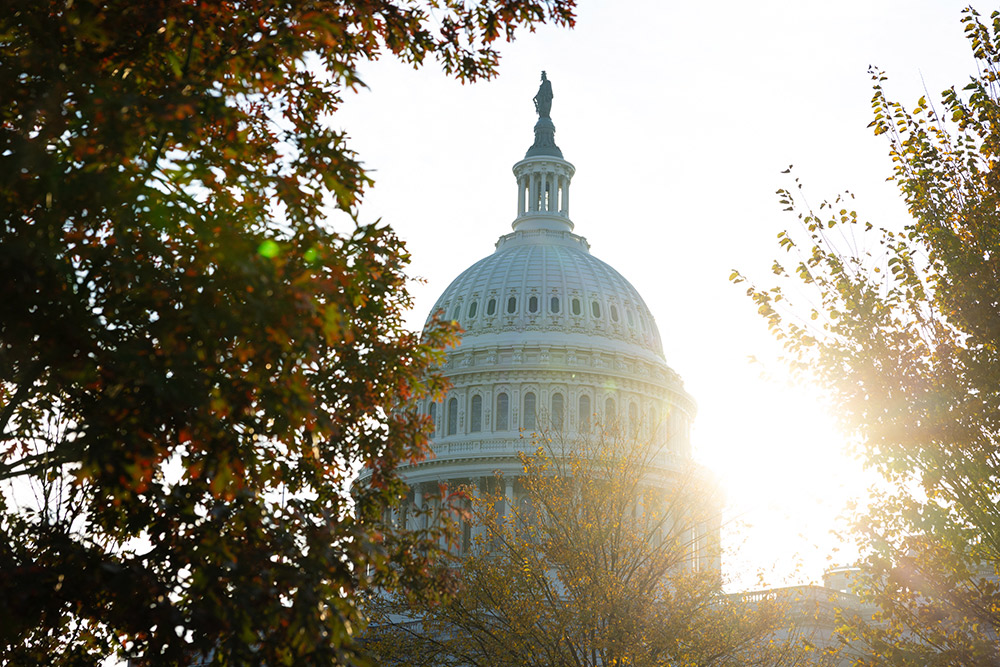
The U.S. Senate took a significant step on Thursday toward limiting President Donald Trump’s military authority in Venezuela, advancing a bipartisan war powers resolution that would block further military actions without explicit congressional approval, lawmakers said.
In a 52-47 procedural vote, the measure moved forward after five Republican senators joined all Democrats in supporting the effort. The resolution aims to require presidential authorization from Congress before the United States can engage in any new hostilities against Venezuela, a rare rebuke of Trump from both sides of the aisle following the controversial military operation that resulted in the capture of Venezuelan leader Nicolás Maduro.
If ultimately passed, the legislation would obligate the administration to withdraw U.S. forces from any imminent hostilities in or against Venezuela unless Congress explicitly authorizes such actions. However, the measure’s future remains uncertain as it heads next to the House of Representatives, where a Republican majority is less likely to approve it, and any final version would likely face a presidential veto. Overriding a veto would require a two-thirds majority in both chambers, a high threshold in the current political landscape.
President Trump has sharply criticized Republican senators who broke ranks to support the resolution, saying they should not be re-elected and arguing that the measure undermines his authority to act in national defense. Nevertheless, the vote signals growing bipartisan concern in Congress about unchecked executive military action in the absence of legislative authorization.
International
Petro and Trump Agree on Joint Action Against ELN Guerrillas After Tense Diplomacy
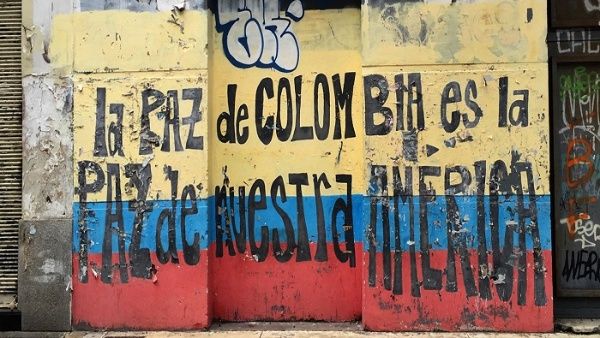
Colombian President Gustavo Petro and his U.S. counterpart Donald Trump agreed on “joint actions” to combat the National Liberation Army (ELN) guerrilla group operating along the Colombia–Venezuela border, Colombia’s Interior Minister Armando Benedetti said on Thursday.
The announcement came after a period of heightened diplomatic tension triggered by recent U.S. airstrikes in Venezuela, the capture of Venezuelan President Nicolás Maduro, and threats of possible U.S. military action in Colombia. The phone call Wednesday evening was the first direct conversation between Petro and Trump since both leaders took office, and it helped ease the strained relationship.
During the call, both presidents committed to carry out joint efforts against the ELN, a guerrilla group that has repeatedly attacked Colombian security forces and is accused of kidnapping soldiers. In December, the ELN declared a “armed strike,” confining civilians in areas under its control in response to perceived threats of U.S. intervention.
According to Benedetti, Petro welcomed Trump’s invitation to meet in Washington and asked for U.S. support to “strike hard” against ELN positions along the porous border with Venezuela, where guerrillas often flee after clashes with Colombian forces.
The border region is a longstanding flashpoint, where armed groups, drug traffickers and illegal mining networks compete for control. Previous attempts by Petro’s government to negotiate peace with the ELN have stalled after a major offensive in Catatumbo that left hundreds dead and displaced thousands.









International
Lula Vetoes Bill That Would Have Shortened Bolsonaro’s Prison Sentence
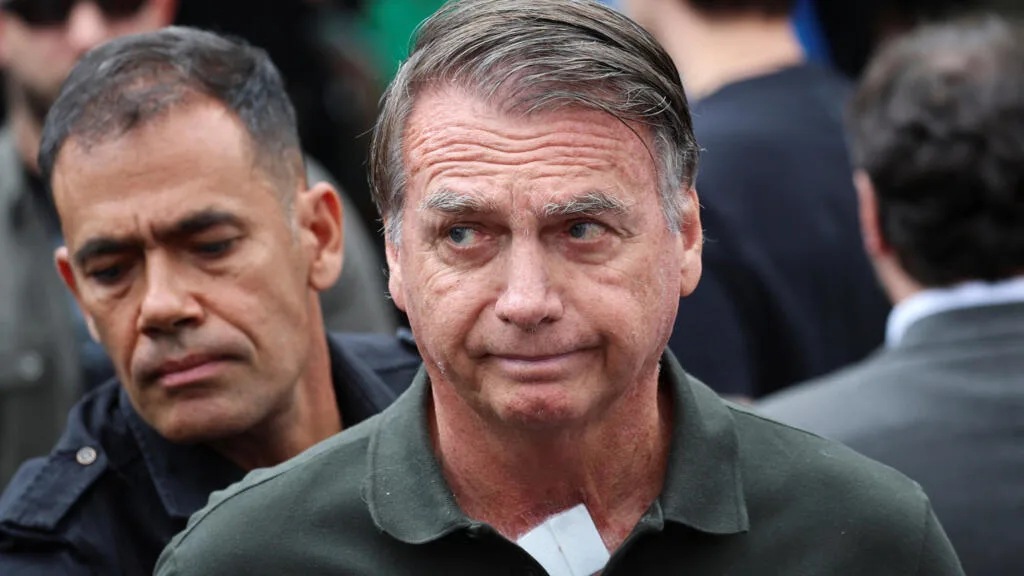
Brazilian President Luiz Inácio Lula da Silva vetoed on Thursday a bill that would have significantly reduced the prison sentence of his far-right predecessor, Jair Bolsonaro, who is currently serving time for attempting a coup d’état.
Despite the veto, the conservative-majority Congress retains the power to override the decision through a vote.
In September, following a landmark trial, Brazil’s Supreme Court sentenced Bolsonaro to 27 years in prison after finding him guilty of conspiring to remain in power in an “authoritarian” manner following his defeat to Lula in the 2022 presidential election.
The 70-year-old former president has been incarcerated in a Brasília prison since late November. Earlier this month, the Supreme Court rejected a request for house arrest on health grounds.
Under the current legal framework, Bolsonaro would be required to serve approximately eight years before becoming eligible for sentence leniency. However, a bill passed by Congress in December could have reduced that period to just over two years, prompting Lula’s veto.

Senate Bipartisan Vote Moves Measure to Block Further U.S. Military Action in Venezuela

Petro and Trump Agree on Joint Action Against ELN Guerrillas After Tense Diplomacy

Lula Vetoes Bill That Would Have Shortened Bolsonaro’s Prison Sentence
Tec de Monterrey honors one of its students for his contribution to nanotechnology in medicine

Defense Minister commends salvadoran soldier for Central American Cross Country victory

Extension of the state of emergency approved in southern Chile
-

 International3 days ago
U.S. faces worst flu season in decades as new strain spreads nationwide
-
 Central America4 days ago
El Salvador reports safest year in its history, security cabinet says
-
 International3 days ago
Florida’s ‘Tidal Wave’ operation detains 10,400 migrants in largest ICE joint effort
-
 International4 days ago
Delcy Rodríguez, key figure in U.S.-Venezuela transition, remains under EU sanctions
-
 International3 days ago
U.S. Energy Secretary to meet oil executives on reviving Venezuela’s crude industry
-
 International3 days ago
Maduro, Delcy Rodríguez sued in Florida over alleged kidnapping, torture and terrorism
-
 International4 days ago
China urges immediate release of Maduro, seeks emergency UN security council meeting
-
 International3 days ago
Colombia to maintain anti-drug cooperation with U.S. after Trump remarks
-
 International5 days ago
Marco Rubio warns Cuba could be Trump administration’s next target
-

 International2 days ago
Beijing Says International Support Strengthens Its Position on Taiwan Sovereignty Issue
-
 International18 hours ago
Petro and Trump Agree on Joint Action Against ELN Guerrillas After Tense Diplomacy
-
 International3 days ago
Colombia says border with Venezuela remains calm after U.S. arrest of Maduro
-
 International18 hours ago
Lula Vetoes Bill That Would Have Shortened Bolsonaro’s Prison Sentence
-
 International1 day ago
Justice Department Misses Deadline as Millions of Epstein Files Remain Under Review
-
 International18 hours ago
Senate Bipartisan Vote Moves Measure to Block Further U.S. Military Action in Venezuela