
International
140: this is the number of countries that recognize the Palestinian state
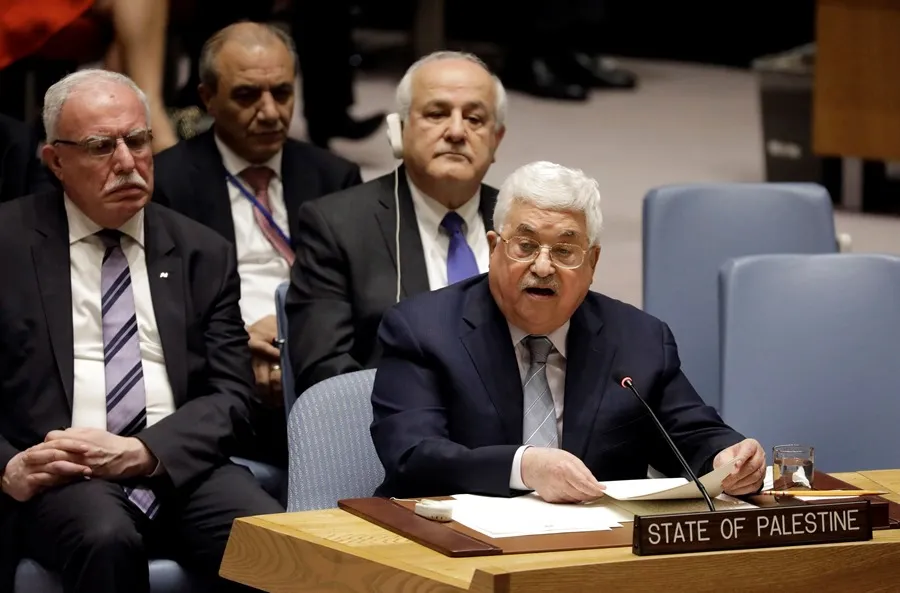
About 140 countries of the 193 countries that are part of the United Nations (UN) have recognized the Palestinian State and of them eight belong to the European Union (EU), although only Sweden and Cyprus did so after entering it.
Sweden was the last country in the European Union to recognize the Palestinian State, on October 30, 2014.
Three years earlier, on January 30, 2011, it had been done by Cyprus, a member of the European Union since 2004.
The recognition by Sweden in 2014 opened the debate between the EU member states and several legislative chambers approved resolutions to urge their governments to officially recognize Palestine as a state, including the British parliament, the Irish Senate, the Congress of Deputies in Spain or the French Assembly.
On December 17, 2014, the European Parliament (EP) joined the recognition of Palestine, by supporting a joint resolution of the majority political groups that won 498 votes in favor, 111 against and 88 abstentions.









The other six EU countries that have recognized the Palestinian State are the Czech Republic, Slovakia, Hungary, Bulgaria, Poland and Romania.
They all did it days after, on November 15, 1988, the Palestinian National Council proclaimed in Algiers the establishment of the state of Palestine, while accepting UN Security Council resolutions 242 and 338, which meant recognizing Israel’s right to exist.
Six of those countries then belonged to the Soviet bloc, including the Czech Republic and Slovakia, then united in a single country, Czechoslovakia.
In the year following its proclamation, the Palestinian State was recognized by ninety countries and in 1995 the number already exceeded one hundred.
Cuba, then also a Soviet ally, and Nicaragua were the first Latin American countries to recognize Palestine as a state, in 1988. Currently, 24 Latin American countries recognize it, all except Mexico and Panama.
The last to do so was Colombia, on August 8, 2018.
The Bahamas, on May 8, was the last country to formally recognize Palestine as a State and its right to “self-determination.” Shortly before, Trinidad and Tobago (May 3), Jamaica (April 24) and Barbados (April 21) had done it.
Among those who do not recognize the Palestinian state, in addition to countries of the European Union such as Germany, France or Italy, the United States, the United Kingdom or Australia stand out.






International
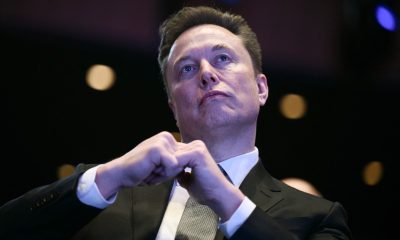
Paris prosecutors alert U.S. over alleged deepfake strategy linked to Elon Musk
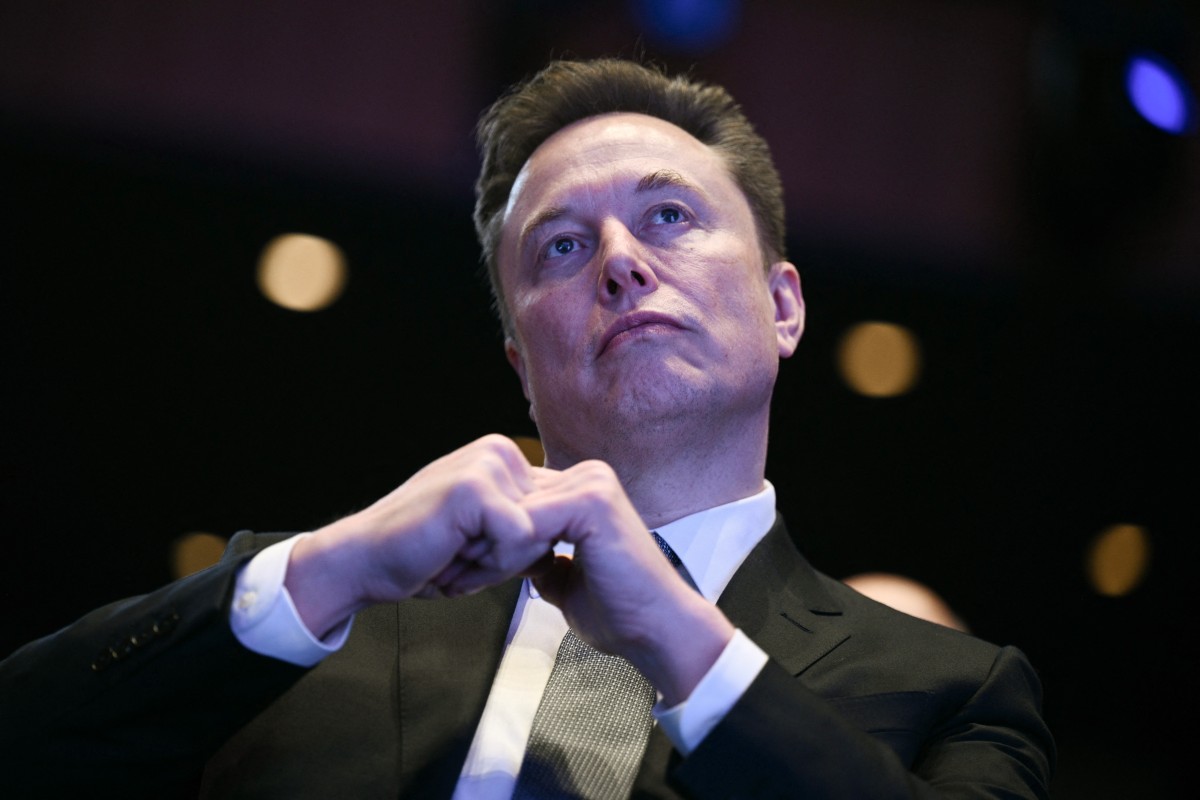
The Paris Prosecutor’s Office said on Saturday that it had alerted authorities in the United States over suspicions that tech entrepreneur Elon Musk may have encouraged the spread of sexualized deepfake content on the social platform X to artificially boost the company’s valuation.
According to prosecutors, the controversy surrounding explicit AI-generated videos—reportedly linked to Grok, the platform’s artificial intelligence system—may have been deliberately triggered to increase the market value of X and X AI.
The office added that the alleged strategy could be tied to the planned June 2026 public listing of a new entity formed through the merger of SpaceX and X AI.
French authorities said they contacted the U.S. Department of Justice as well as legal representatives at the U.S. Securities and Exchange Commission (SEC) earlier this week to share their concerns.
Responding on X in French to a report about the case, Musk referred to French prosecutors using an offensive term.
When contacted, X’s legal representative in France did not immediately comment.
Grok, the platform’s AI system, has its own account on X, allowing users to interact with it or request content generation. For a period, users were able to tag the bot in posts to generate or edit images, a feature that may have facilitated the spread of such material.
International
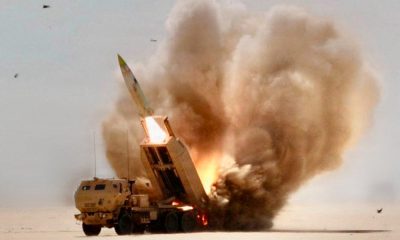
Netanyahu vows to target Iran’s leadership after missile strikes in southern Israel
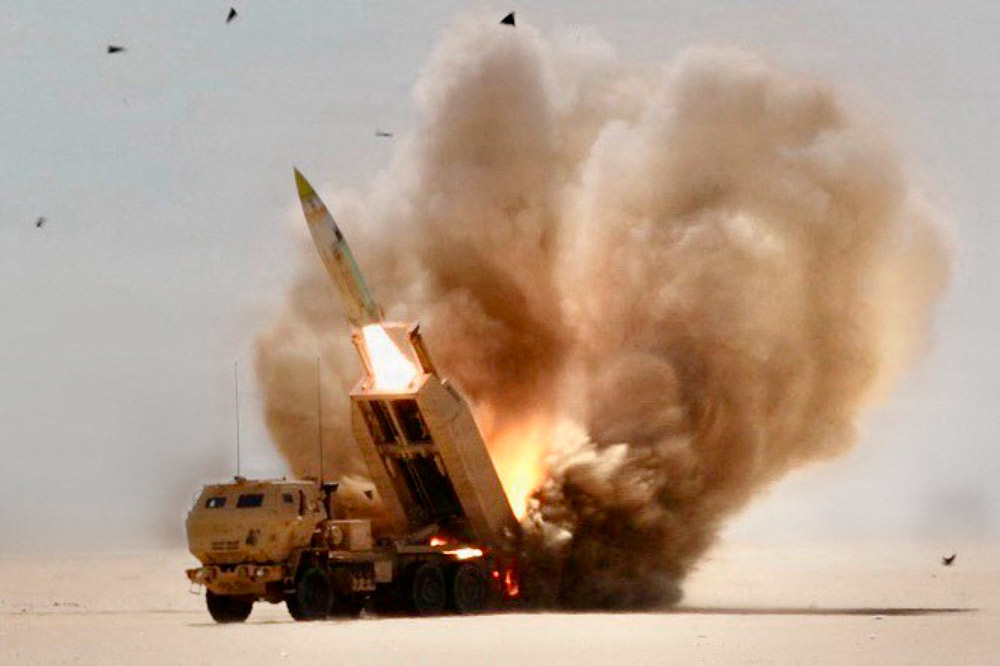
Israeli Prime Minister Benjamin Netanyahu vowed on Sunday to target Iran’s leadership directly, escalating rhetoric amid ongoing hostilities between Israel and Iran.
Speaking during a visit to the southern city of Arad, which was struck by an Iranian missile a day earlier, Netanyahu said Israel would intensify its response against Tehran.
“We are going after the regime. We are going after the Islamic Revolutionary Guard Corps, that gang of criminals,” he told reporters while standing among the debris left by the தாக்க.
He added that Israel intends to strike “personally” at Iran’s leadership, as well as its facilities and economic assets.
In addition to Arad, Iranian missiles also hit the city of Dimona on Saturday. The area is widely believed to host Israel’s undeclared nuclear facilities. The strike caused significant damage following a direct impact.
Netanyahu also visited Dimona, where he urged residents to strictly follow military instructions and seek shelter whenever warning sirens are activated.
“The entire nation is a front line, and the home front is also a front line. And when we are on the front line, we follow these instructions,” he said.
International
US panel backs Trump-themed coin amid controversy
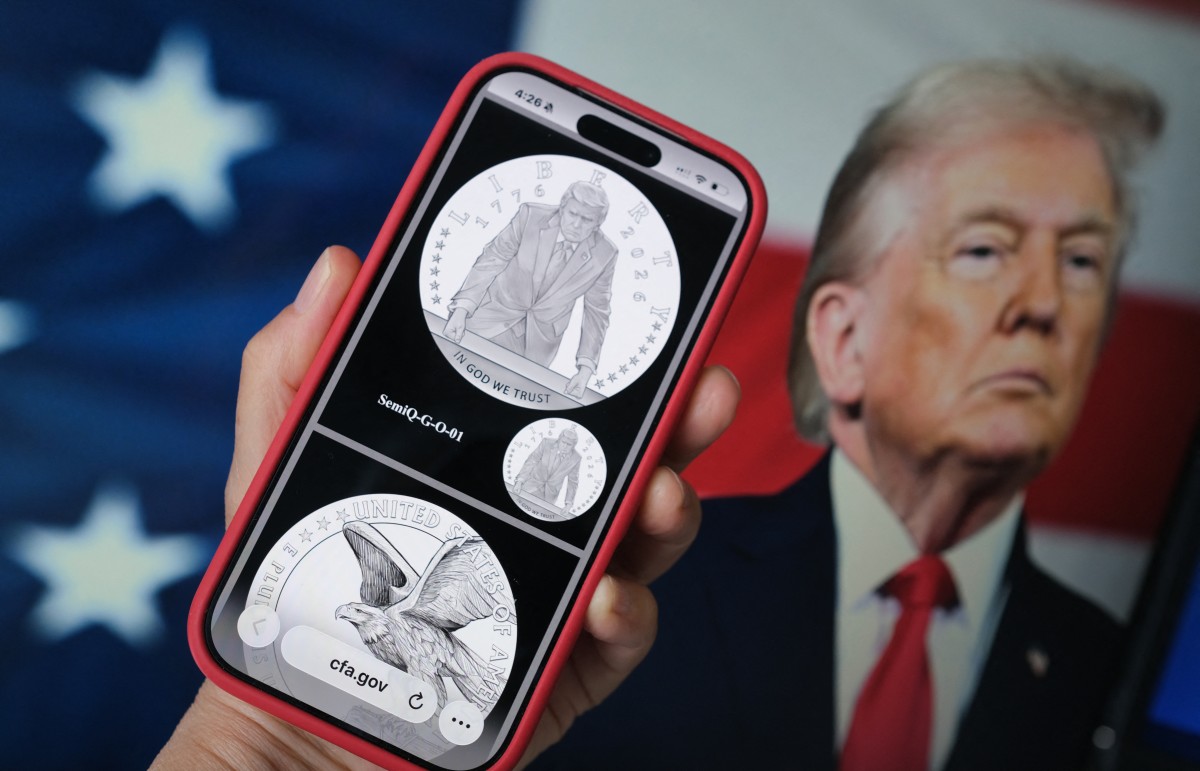
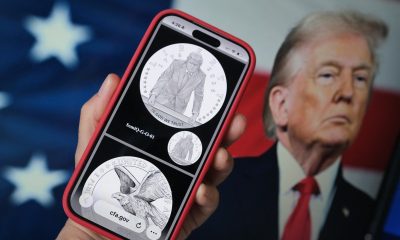
The United States Department of the Treasury confirmed to AFP that the Commission of Fine Arts approved the design of a new collectible coin featuring Donald Trump, with members of the commission appointed by the current administration.
According to the proposal, the coin will feature an image of Trump standing with clenched fists over a desk on the obverse, while the reverse will display an eagle, a traditional symbol of the United States.
The sale price of the collectible has not yet been disclosed, although the United States Mint typically offers similar items for more than $1,000.
“There is no more iconic portrait for the front of these coins than that of our president Donald Trump,” U.S. Treasurer Brandon Beach said in a statement sent to AFP. He added that two additional coins — a $1 piece and a one-ounce gold coin — are also under consideration.
However, the Citizens Coinage Advisory Committee (CCAC), another body responsible for reviewing new coin proposals, declined to discuss the Trump design in late February.
“Only nations governed by kings or dictators place the image of a sitting leader on their currency,” said Donald Scarinciat the time. “No country in the world has minted coins featuring a democratically elected leader during their term in office,” he added.
When contacted by AFP, the Treasury Department did not immediately respond to requests for further comment.

Paris prosecutors alert U.S. over alleged deepfake strategy linked to Elon Musk

Netanyahu vows to target Iran’s leadership after missile strikes in southern Israel

Guatemala narrows emergency measures to hardest-hit gang violence areas
Tec de Monterrey honors one of its students for his contribution to nanotechnology in medicine

Defense Minister commends salvadoran soldier for Central American Cross Country victory

Extension of the state of emergency approved in southern Chile
-
 Central America4 days ago
Costa Rica closes embassy in Cuba, citing human rights concerns
-

 International3 days ago
Meningitis outbreak in England rises to 27 cases with two deaths reported
-
 Central America3 days ago
Guatemala narrows emergency measures to hardest-hit gang violence areas
-
 International3 days ago
U.S. lowers travel advisory for much of Venezuela but keeps high-risk zones under warning
-
 International3 days ago
US panel backs Trump-themed coin amid controversy
-

 International3 days ago
EU lawmakers move to ban AI tools that generate non-consensual nude images
-
 International3 days ago
Brazil offers to mediate Colombia-Ecuador tensions, calls for restraint
-

 International4 days ago
Hiroshima survivor who embraced Obama dies at 88
-
 International3 days ago
Fed’s Waller warns of rising inflation risks amid Middle East conflict
-
 International4 days ago
Colombia seeks ‘total suffocation’ of armed groups with regional support
-
 Central America4 days ago
Costa Rica closes Cuba embassy as president escalates rhetoric
-
 International10 hours ago
Netanyahu vows to target Iran’s leadership after missile strikes in southern Israel
-
 International10 hours ago
Paris prosecutors alert U.S. over alleged deepfake strategy linked to Elon Musk